
24th Annual
MCI Symposium
Friday, April 24, 2026 (9:00 am – 4:45 pm US Eastern Time)
Schedule
MCI Symposium Program
Friday, April 24, 2026
All times in US Eastern Time.
Mount Sinai Medical Center/Wien Center for Alzheimer's Disease and Memory Disorders
Mayo Clinic, Rochester
Focus: How clinicians combine blood biomarkers, imaging, and cognitive tools to diagnose and stage real patients.
Washington University School of Medicine
University of Gothenburg
Washington University School of Medicine
Mayo Clinic
Mayo Clinic
Focus: Practical Management of Lecanemab, Donanemab, and Future Agents; ARIA; Real-World Data; Maintenance Therapy
University of Washington
Brown University
Yale School of Medicine
RadNet
Stanford University
Focus: Mechanisms → biomarkers → clinical implications → future therapeutic pathwaysi
University of Oxford
UniCamillus University, Rome
Stanford University
University of Toronto
Stanford University
Mount Sinai Medical Center/Wien Center for Alzheimer's Disease and Memory Disorder
SYMPOSIUM CONVENER
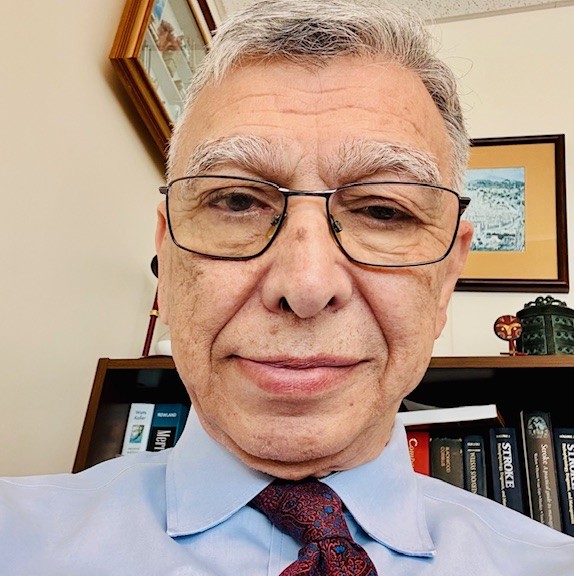
Ranjan Duara, MD, MRCP, FAAN
Dr. Ranjan Duara is the Medical Director of the Wien Center for Alzheimer’s Disease and Memory Disorders at Mount Sinai Medical Center and holds the Denis C. Cole Family Chair in Alzheimer’s Disease Research. In addition, Dr. Duara serves as the Associate Director and leader of the Clinical Core of the 1Florida Alzheimer’s Disease Research Center, a research collaboration between four university medical centers and Mount Sinai Medical Center in Florida. Dr. Duara is a Courtesy Professor of Neurology at the University of Florida College of Medicine, Gainesville, Florida, and the Herbert Wertheim College of Medicine, Florida International University, Miami, Florida. He serves as the Principal Investigator of the State of Florida Dementia Brain Bank Program.
Dr. Duara is a clinical neurologist with a special interest in the use of brain imaging for the diagnosis and treatment of Alzheimer’s disease and other causes of Adult Cognitive Disorders. Through his research in this area, he has helped to enhance what is known about the biology of Alzheimer’s disease.
He completed his undergraduate medical education at Christian Medical College, Vellore, South India, completed two years of neurology residency with Dr. Noshir Wadia at Grant Medical College in Bombay, India, followed by residencies in internal medicine and neurology in the United Kingdom, and in neurology at Thomas Jefferson University Hospital in Philadelphia. He then completed a four-year fellowship in neuroscience and neuroimaging of aging, with Dr Stanley Rapaport at the National Institute on Aging (National Institutes of Health, Bethesda, MD).
Dr. Duara’s research has focused primarily on early diagnosis of Alzheimer’s disease and other dementias, neuroimaging, genetic epidemiology, and the methodology for staging the transition from normal cognitive aging to dementia. He has contributed to more than 250 articles in peer-reviewed scientific journals and has been an investigator in observational studies on aging, as well as clinical trials of novel agents for the treatment of Alzheimer’s Disease. Dr. Duara is also the chair and organizer of the Mild Cognitive Impairment Symposium, which is held annually in Miami Beach.
CHAIRS AND PRESENTERS
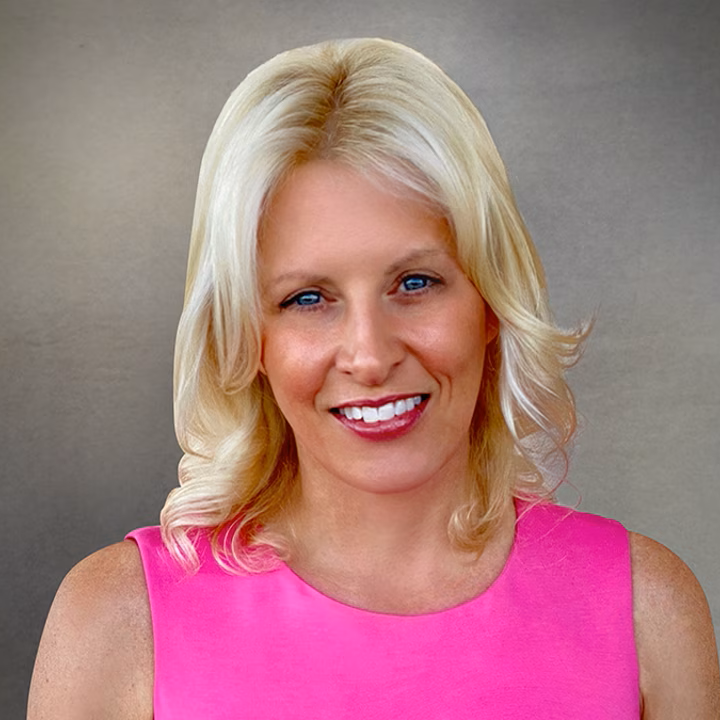

Suzie Bash, MD
Dr. Suzie Bash is a Neuroradiologist and a Medical Director at RADNET. Prior to this she was on the faculty at UCLA as an Assistant Professor of Neuroradiology, after completing a two year neuroradiology fellowship and residency also at UCLA.
Dr. Bash’s passion and interests lie in artificial intelligence (AI) applications in advanced neuroimaging which add patient-centric value and quality. Dr. Bash has a special interest in dementia imaging and Alzheimer’s disease educational initiatives. She is a recurring guest on TV, radio, and podcasts and is actively involved in AI clinical trials, peer-reviewed publications, as well as AI and
dementia related educational talks and webinars.
Dr. Bash serves on the Medical Advisory Boards of several AI companies and is Chief Medical Officer of Cortechs.ai. She also serves on the Editorial Board in the AI section for Applied Radiology and is a frequent contributing author to this journal.
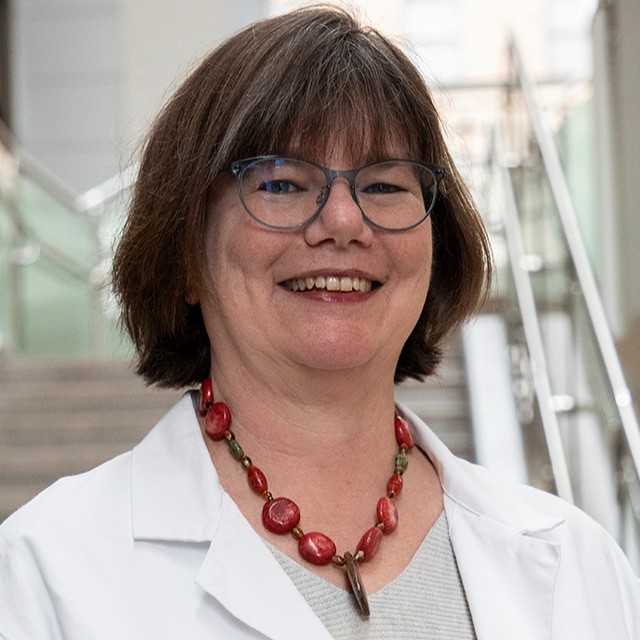
Tammie Benzinger, MD, PhD
Howard Chertkow, MD
Dr. Howard Chertkow is a practicing cognitive neurologist at Toronto’s Baycrest Health Sciences Centre, where he Is also Senior Scientist and Chair in Cognitive Neurology and Innovation at Baycrest’s Rotman Research Institute. Prior to 2018 he was a Professor at McGill University in Montreal Canada. He is now a Professor in the Dept. of Medicine (Neurology) at University of Toronto. At Baycrest he is also director of the new Bank Family Clinical Trials Unit and the Kimel Family Central for Brain Health.
Dr. Chertkow is an active researcher in the area of dementia. His major areas of research interest include early diagnosis of Alzheimer’s Disease and prediction of deterioration in individuals with Mild Cognitive Impairment, and therapy of cognitive disorders in Alzheimer Disease and Frontotemporal dementia using neuromodulation approaches such as transcranial direct current stimulation. Dr. Chertkow’s lab is now focused on developing transcranial direct current stimulation (tDCS) as ancillary therapy in elderly individuals with neurodegenerative disease. In addition to this, his lab is also exploring subgroups and mechanisms of dementia focused on the role of peripheral and neuroinflammation.
Thirty-two of his publications have over 100 citations, and three of the publications have been cited over 2000 times. He is senior author of the Montreal Cognitive Assessment (MoCA), which has become an international standard for diagnosis of MCI, has been cited over 21,000 times and is the most cited paper in the field of neurology in the world in the 21st century. Dr. Chertkow is on Stanford University’s 2020 list of “Top 2% Cited Scientists”.
In 2014 Dr. Chertkow became the Scientific Director for the Canadian Consortium on Neurodegeneration in Aging (CCNA), a national organization established by the Canadian government via CIHR and partners. CCNA, now approved for a five year Phase 3 beginning in April 2024, is the largest grant every awarded in dementia research in Canada, and brings together 320 leading Canadian dementia researchers to establish national teams and platforms to produce breakthroughs in the diagnosis and treatment of the dementing illnesses.
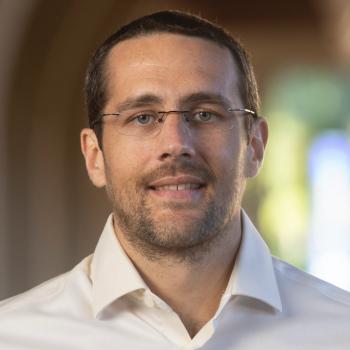
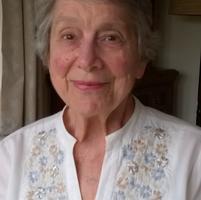
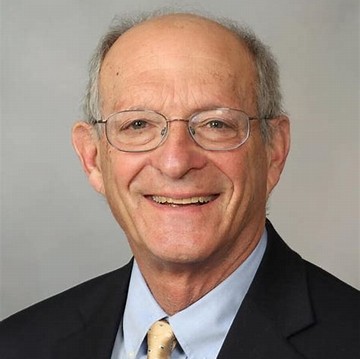
Pascal Geldsetzer, MD, MPH, PhD
Pascal Geldsetzer, MD, MPH, PhD, is an Assistant Professor of Medicine in the Division of Primary Care and Population Health and, by courtesy, in the Department of Epidemiology and Population Health. He is also affiliated with the Phil & Penny Knight Initiative for Brain Resilience at the Wu Tsai Neurosciences Institute, Department of Biomedical Data Science, Department of Health Policy, and the Stanford Center for Population Health Sciences.
His research focuses on identifying and evaluating the most effective interventions for improving health at older ages. In addition to leading several randomized trials, his methodological emphasis lies on the use of natural experiments to ascertain causal effects in large observational datasets, particularly in electronic health record data. He has won an NIH New Innovator Award (in 2022), a Chan Zuckerberg Biohub investigatorship (in 2022), and three NIH R01 grants as Principal Investigator (in 2023 and 2024).
Ruth Itzhaki, PhD
Dr. Ruth Itzhaki graduated in physics before completing MSc and PhD degrees in Biophysics, all from the University of London. She went on to conduct research in the Department of Radiotherapeutics at the University of Cambridge, where she held both a Beit Memorial Fellowship for Medical Research and the Wheldale‑Onslow Memorial Fellowship at Newnham College. She later moved to Manchester, working at the Paterson Laboratories (cancer research) and subsequently at the University of Manchester. She is currently a Visiting Professor at the University of Oxford and a Professor Emerita at the University of Manchester.
Dr. Itzhaki’s research career has encompassed a wide range of topics, beginning with pioneering studies on the accessibility of deoxyribonucleoprotein (chromatin) to enzymes and polylysine. In later years, her work has focused on Alzheimer’s disease, particularly the role of viruses in dementia. She was the first to demonstrate definitively the presence of an infectious agent in “sterile” brain tissue, and she has extensively investigated how the APOE genotype influences susceptibility to, and outcomes of, various infections.
Her epidemiological studies on viruses and Alzheimer’s disease, conducted with colleagues at the University of Manchester, led to the 2021 discovery of the protective effect of shingles vaccination against dementia. Additional work using the 3D brain cell culture model developed by Drs. Cairns and Kaplan at Tufts University showed that infections and head injury—both major risk factors for Alzheimer’s disease—reactivate latent HSV1 in the model. These findings further support her long‑standing hypothesis that repeated reactivation of herpes simplex virus type 1 in the brain represents a major risk factor for Alzheimer’s disease.
David Knopman, MD
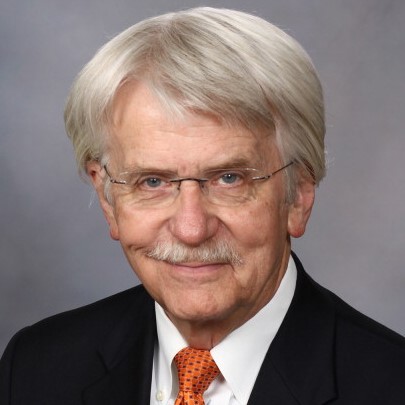
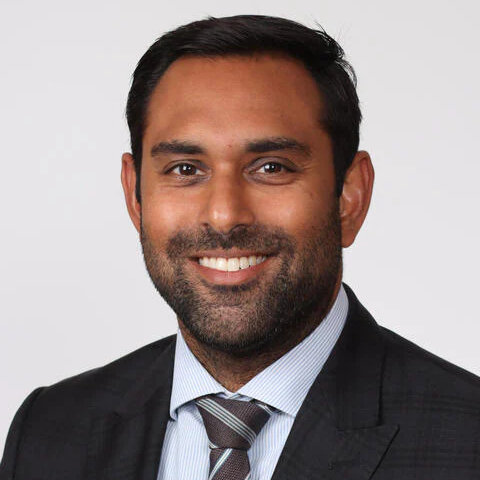
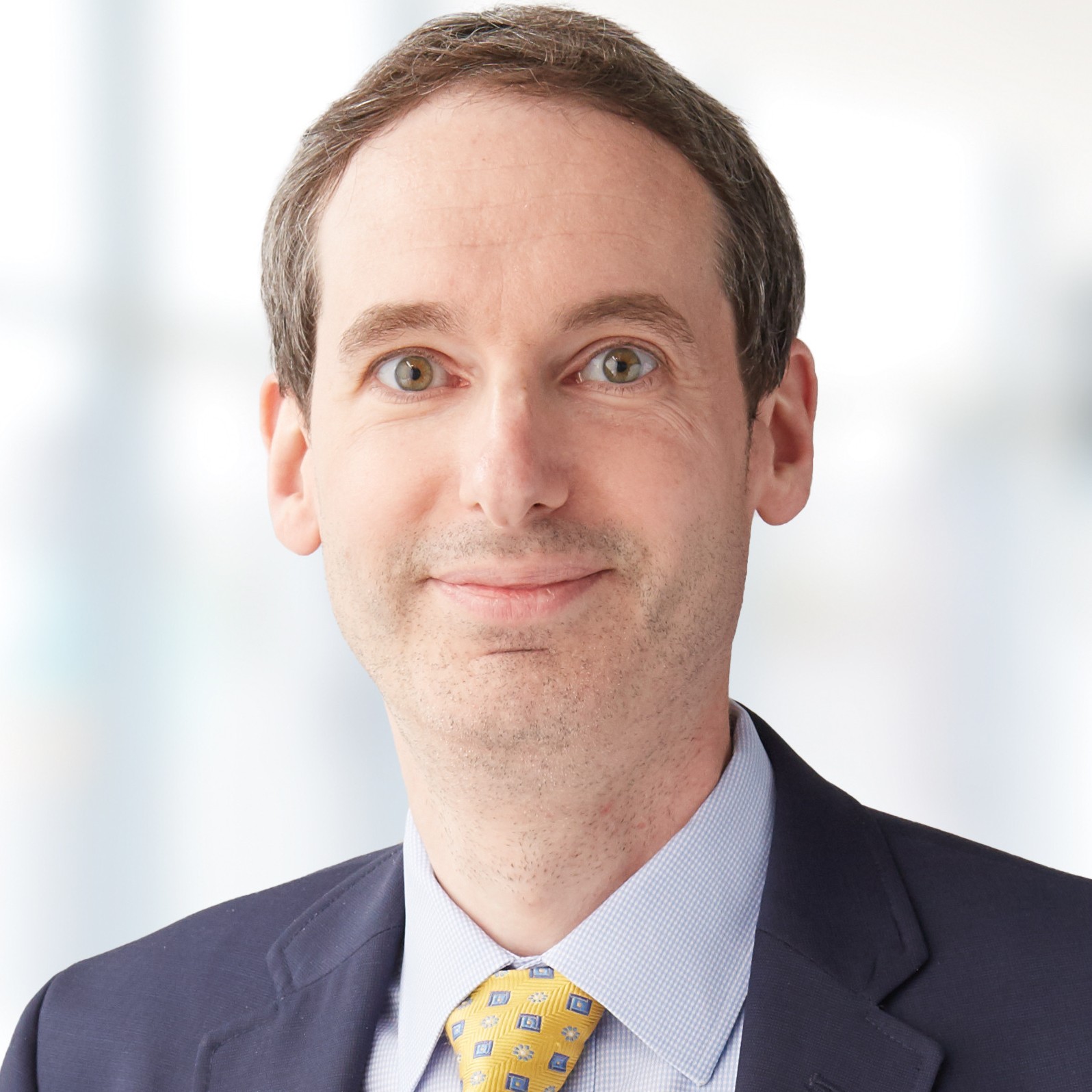
Ronald Petersen, MD, PhD
Dr. Ronald Petersen is a national leader in the field of Alzheimer’s research. He is the director of the Mayo Alzheimer’s Disease Research Center and the Mayo Clinic Study on Aging. He has authored over 550 peer-reviewed articles and edited five books on memory disorders, aging, and Alzheimer’s disease. Dr. Petersen received his Ph.D. in Experimental Psychology from the University of Minnesota and graduated from Mayo Medical School in 1980. He joined the staff of the Mayo Clinic in 1986. He became the Cora Kanow Professor of Alzheimer’s Disease Research in 2000, and was named the Mayo Clinic Distinguished Investigator in 2011.
Dr. Ronald Petersen is one of the recipients of the 2004 MetLife Award for Medical Research in Alzheimer’s Disease and the 2005 Potamkin Prize for Research in Picks, Alzheimer’s, and Related Disorders of the American Academy of Neurology. He also received the inaugural Ronald and Nancy Reagan Research Institute Award in 2004 from the Alzheimer’s Association and the inaugural Leon Thal Prize of the Lou Ruvo Brain Institute in 2007. In 2012, he received the Khachaturian award of the Alzheimer’s Association and the Henry Wisniewski Lifetime Achievement Award in 2013.
In 2011, he was appointed by the Secretary of Health and Human Services to serve as the chair of the Advisory Committee on Research, Care, and Services for the National Alzheimer’s Project Act and was appointed to the World Dementia Council in 2014 by UK Prime Minister David Cameron.
Vijay Ramanan, MD, PhD
Vijay K. Ramanan, MD, PhD, is a neurologist specializing in Cognitive and Behavioral Neurology. In clinical practice he focuses on the diagnosis and management of Alzheimer’s disease, Lewy body disease, and other neurodegenerative disorders, with particular attention to identifying potentially reversible contributors to cognitive decline. He evaluates and treats conditions such as transient epileptic amnesia, normal pressure hydrocephalus, and sleep disorders, and applies precision‑medicine approaches to novel therapies for dementia syndromes.
A central strand of Dr. Ramanan’s work is understanding why patients with similar pathologies can present so differently. He studies genetic and lifestyle factors that drive clinical heterogeneity in Alzheimer’s and related disorders, seeking to translate those insights into more personalized care. In the clinic he combines careful phenotyping with targeted diagnostic testing to tailor management plans and to identify patients who may benefit from emerging treatments.
Dr. Ramanan is also an active researcher, publishing manuscripts that integrate multimodal data—genetics, neuroimaging, fluid biomarkers, and cognitive assessment—to illuminate disease mechanisms and reveal new therapeutic targets. His research program emphasizes both cross‑sectional and longitudinal approaches, using multi‑omics and epidemiologic data to identify population‑level gene–environment interactions that influence disease course and outcomes.
Beyond patient care and research, Dr. Ramanan is committed to education, mentorship, and service. He mentors residents and fellows, contributes to training programs, and participates in leadership roles within and beyond his institution. He collaborates broadly across teams such as the Study of Aging, the Alzheimer’s Disease Research Center and affiliated studies, the Aging and Dementia Imaging Research Laboratory, and the Division of Behavioral Neurology clinical practice to advance both science and clinical care.
Michael Rosenbloom, MD
Dr. Michael H. Rosenbloom is a board-certified neurologist at the University of Washington Medicine Memory and Brain Wellness Center where he directs the clinical trials running at the UW Alzheimer’s Disease Research Center (ADRC) in Seattle, WA. He previously served for 13 years as director of the HealthPartners Center for Memory and Aging in St. Paul, MN where he led clinical research in cognitive screening for dementia, intranasal therapeutics, and non-invasive neurostimulation for neurodegenerative diseases.

Stephen Salloway, MD
Stephen Salloway, MD,is an internationally recognized leader in clinical trials for the prevention and treatment of Alzheimer’s disease. He received his MD from Stanford Medical School and completed residencies in neurology and psychiatry at Yale University.
As the founding Director of the Memory and Aging Program at Butler Hospital and Professor of Neurology and Psychiatry at the Department of Psychiatry and Human Behavior, Warren Alpert Medical School of Brown University, Dr. Salloway has conducted more than 125 clinical trials that have led to new blood tests and PET scans and new disease modifying treatments for Alzheimer’s disease. He also serves as the Principal Investigator for the NE/RI site for the successful US POINTER trial testing lifestyle interventions to promote brain health.
Dr. Salloway is an expert on ARIA and is a senior author on the Appropriate Use Recommendations for lecanemab and donanemab. His scholarly output includes more than 500 scientific papers and abstracts and three books, with landmark publications in the New England Journal of Medicine, Nature, Lancet and JAMA that have shaped the field of Alzheimer’s research.
His contributions have been widely recognized. Brown University awarded him an endowed chair in 2018, and he was inducted into the Rhode Island Hall of Fame and named Rhode Island Man of the Year in 2019. Most recently, he received the Leon Thal Prize for Excellence in Alzheimer’s Research from the Cleveland Clinic in 2023.
Suzanne Schindler, MD, PhD
Suzanne E. Schindler, MD, PhD, is a neurologist and neuroscientist committed to improving the diagnosis and treatment of Alzheimer’s disease.
Dr. Schindler sees patients with memory concerns and coordinates collection and analysis of real-world data for the Washington University Memory Diagnostic Center. She leads the Fluid Biomarker Core for the Knight Alzheimer’s Disease Research Center and has facilitated many collaborative research projects, including studies that have yielded some of the first clinically available blood tests for Alzheimer’s disease pathology. She has examined the generalizability of AD biomarkers across diverse groups and developed novel modeling approaches for prediction of symptom onset in Alzheimer’s disease using longitudinal biomarker data.
Dr. Schindler has served on numerous committees and working groups that have developed guidelines for the clinical use of AD blood tests and treatments.
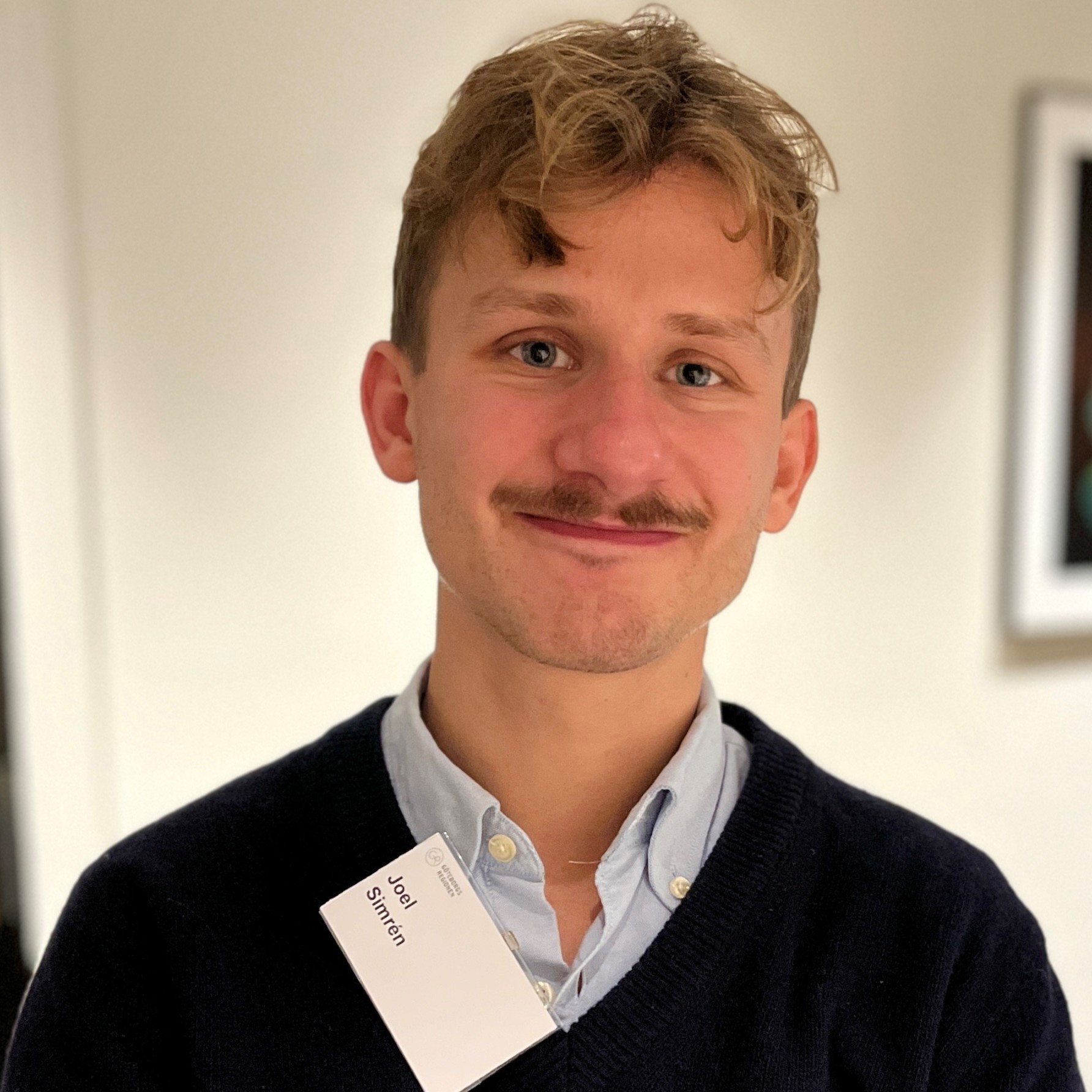
Joel Simren, MD, PhD

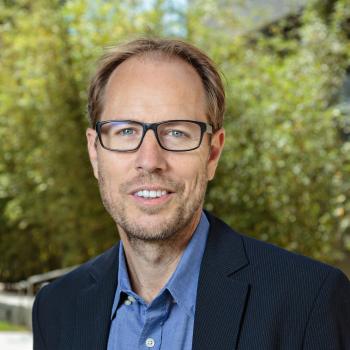
Chris van Dyck, MD
Dr. Christopher H. van Dyck is Professor of Psychiatry, Neurology, and Neuroscience; Director of the Alzheimer’s Disease Research Unit; Director, Yale Alzheimer’s Disease Research Center; Director, Division of Aging and Geriatric Psychiatry.
His research focuses on neuroimaging and therapeutic studies of Alzheimer’s disease (AD) and brain aging. His current imaging research utilizes positron emission tomography (PET) to study the beta-amyloid (Aβ) and tau proteins, as well as the synaptic targets SV2A and mGluR5. He and his team are examining the full spectrum of AD, including AD-dementia, the prodromal condition of amnestic Mild Cognitive Impairment (aMCI), and preclinical AD—in individuals at high familial and genetic risk.
He also has extensive experience in the conduct and leadership of therapeutic trials in AD. Since 1991 he has led or participated in approximately 90 clinical trials for AD, including the prodromal or preclinical stages. He currently serves on the Steering and Executive Committees and Co-Chairs the Protocol Evaluation Committee of the Alzheimer’s Clinical Trials Consortium (ACTC). His research accomplishments have been recognized by receipt of the 1996 Junior Investigator Award of the American Association of Geriatric Psychiatry, the 2005 Compassion and Cure Award of the Alzheimer’s Association, and the 2017 Leader in Advancing Research Award of the Alzheimer’s Association.
Nicola Veronese, MD
Nicola Veronese, MD, is a certified trained geriatrician, currently working as Associate Professor at UniCamillus – International Medical University in Rome, Italy. His research is mainly epidemiological and focused on the most common diseases affecting older people. In particular, his interest areas are osteoarticular, metabolic (including obesity and diabetes) and cardiovascular diseases, as well as nutrition. He is the author of more than 700 articles published in national and international scientific journals, and of numerous abstracts accepted by national and international congresses. From 2024 he is Editor in Chief of Aging Clinical Experimental Research.
Tony Wyss-Coray, PhD
Tony Wyss-Coray, PhD, is the D.H. Chen Distinguished Professor of Neurology and Neurological Sciences and the Director of the Phil and Penny Knight Initiative for Brain Resilience at Stanford University. His lab studies brain aging and neurodegeneration with a focus on age-related cognitive decline and Alzheimer’s disease.
The Wyss-Coray research team discovered that circulatory blood factors can modulate brain structure and function and factors from young organisms can rejuvenate old brains. Current studies focus on the molecular basis of the systemic communication with the brain by employing a combination of genetic, cell biology, and –omics approaches in mice, and humans. Wyss-Coray has presented his ideas at Global TED, the Tencent WE Summit, the World Economic Forum, and he was voted Time Magazine’s “The Health Care 50” most influential people transforming health care in 2018.
He co-founded Alkahest Inc. and several other companies targeting Alzheimer’s and neurodegeneration; he is a AAAS Fellow and has been the recipient of an NIH Director’s Pioneer Award, a Zenith Award from the Alzheimer’s Association, and a NOMIS Foundation Award.