
2026 Alzheimer’s Public Educational Forum
Friday, May 1, 2026 (10:00 am – 1:30 pm US Eastern Time)
The event is free-for-all and will be held online via Zoom.
ACCESS INFORMATION
The event will be accessible through the individual Zoom link provided upon registration. This link should arrive upon registration, the day before and an hour before the start time.
If you cannot locate this email, please check your spam folder! If not found there either, please contact our secretariat so we can manually re-issue this information.
2026 Alzheimer’s Disease Public Educational Forum
CHAIR:
Ranjan Duara, MD, FAAN, Mount Sinai Medical Center
FRIday, May 1, 2026
All times in US Eastern Time
PROGRAM
Mount Sinai Medical Center
University of Florida
UNT Health Fort Worth
Banner Alzheimer's Institute
University of Florida
Columbia University
Mount Sinai Medical Center
Mount Sinai Medical Center
University of Colorado
University of Florida
PRESENTER BIOS
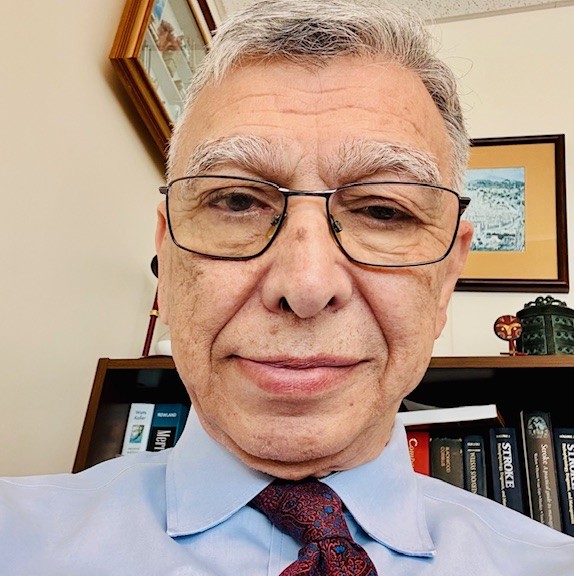
Ranjan Duara, MD, FAAN
Dr. Ranjan Duara is the Medical Director of the Wien Center for Alzheimer’s Disease and Memory Disorders at Mount Sinai Medical Center and holds the Denis C. Cole Family Chair in Alzheimer’s Disease Research. In addition, Dr. Duara serves the Associate Director and leader of the Clinical Core of the 1Florida Alzheimer’s Disease Research Center, a research collaboration between four university medical centers and Mount Sinai Medical Center in Florida. Dr. Duara is a Courtesy Professor of Neurology at the University of Florida College of Medicine, Gainesville, Florida, and the Herbert Wertheim College of Medicine, Florida International University, Miami, Florida. He serves as the Principal Investigator of the State of Florida Dementia Brain Bank Program.
Dr. Duara is a clinical neurologist with a special interest in the use of brain imaging for the diagnosis and treatment of Alzheimer’s disease and other causes of Adult Cognitive Disorders. Through his research in this area, he has helped to enhance what is known about the biology of Alzheimer’s disease.
He completed his undergraduate medical education at Christian Medical College, Vellore, South India, completed two years of neurology residency with Dr. Noshir Wadia at Grant Medical College in Bombay, India, followed by residencies in internal medicine and neurology in the United Kingdom, and in neurology at Thomas Jefferson University Hospital in Philadelphia. He then completed a four-year fellowship in neuroscience and neuroimaging of aging, with Dr Stanley Rapaport at the National Institute on Aging (National Institutes of Health, Bethesda, MD).
Dr. Duara’s research has focused primarily on early diagnosis of Alzheimer’s disease and other dementias, neuroimaging, genetic epidemiology, and the methodology for staging the transition from normal cognitive aging to dementia. He has contributed to more than 250 articles in peer-reviewed scientific journals and has been an investigator in observational studies on aging, as well as clinical trials of novel agents for the treatment of Alzheimer’s Disease. Dr. Duara is also the chair and organizer of the Mild Cognitive Impairment Symposium, which is held annually in Miami Beach.
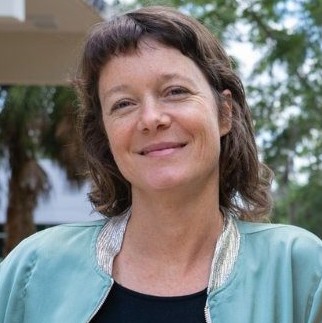
Natalie Ebner, PhD
Dr. Natalie Ebner is Full Professor and the Trish Calvert Ring Endowed Professor in the Department of Psychology in the College of Liberal Arts and Sciences at University of Florida. She is affiliated with the Center for Cognitive Aging and Memory, the Institute on Aging, the Department of Physiology and Aging, the McKnight Brain Institute, the Pain Research and Intervention Center of Excellence, the Substance Abuse Training Center in Public Health, the Florida Institute for National Security, and the Florida Institute for Cyber Security Research.
She received her Ph.D. in 2005 in Psychology with a particular focus on lifespan development and aging from the Free University of Berlin, Germany. She completed post-doctoral fellowships at the Max Planck Institute for Human Development in Berlin and at Yale University, where she also worked as Associate Research Scientist before joining the faculty at the University of Florida.
Dr. Ebner’s expertise in experimental behavioral aging research coupled with her background in affective, social, and cognitive neuroscience allow for a comprehensive view of brain−behavior relationships in the study of aging. Methods applied in her lab include structural and functional MRI and eye-tracking as well as pharmacological (i.e., intranasal oxytocin administration), brain-stimulation (real-time fMRI neurofeedback), and real-life (i.e., simulated phishing) interventions, in both healthy and pathological aging (e.g., Alzheimer’s Disease and related dementias).
She has received multiple awards throughout her career, such as the International Max Planck Research School on the Life Course Outstanding Alumni Award, the University of Florida College of Liberal Arts and Sciences International Educator of the Year Award, the University of Florida Research Foundation Professorship Award, and the University of Florida College of Liberal Arts and Sciences Faculty Achievement Award. Since 2015, she has been a Kavli Fellow of the National Academy of Sciences and since 2023 a Fellow of the Association for Psychological Science. Her body of work is documented in over 100 publications. Over the years, her research has been funded by NIH, NSF, and other agencies and she has gained extensive expertise in supervision of early-career faculty, including NIH K01 awards and diversity supplements.
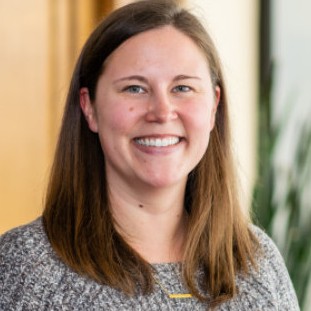
Claire Erickson, PhD

Lawrence Honig, MD, PhD, FAAN
Lawrence S. Honig, MD, PhD, FAAN, is a Professor of Neurology at Columbia University Irving Medical Center, at the Vagelos College of Physicians and Surgeons (New York, NY), in the Department of Neurology (Division of Aging and Dementia), the Taub Institute for Research on Alzheimer’s Disease and the Aging Brain, the Gertrude H. Sergievsky Center, and at New York Presbyterian Hospital. He directs the New York State Center of Excellence for Alzheimer’s Disease, co-directs the Lewy Body Disease Association Research Center of Excellence, and the CurePSP Center of Care for Progressive Supranuclear Palsy, and has leadership roles in the Columbia site of a number of ongoing research studies.
Dr. Honig obtained his MD medical degree from the University of Miami (Miami, Florida), and his PhD from the University of California at Berkeley (Berkeley, California). He underwent postgraduate internship in Medicine and residency in Neurology training at Stanford University Medical Center (California). He served on the faculty of the Neurology departments at Stanford University Medical Center in California, and then the University of Texas Southwestern Medical Center in Dallas, prior to his arrival at Columbia University, where he has been on the faculty since the year 2000.
He is a neuroscientist and board-certified clinical neurologist, with UCNS subspecialty certifications in Behavioral Neurology and Neuropsychiatry, and Geriatric Neurology. His clinical specialization focusses on Alzheimer’s Disease, Lewy Body Dementia, Frontotemporal Dementias, Progressive Supranuclear Palsy, Creutzfeldt-Jakob disease, Congophilic Amyloid Angiopathy, immune-mediated encephalitides, and other disorders of nervous system aging and degeneration. He is a principal investigator on clinical drug trials and observational research studies for neurodegenerative conditions including Alzheimer Disease, Frontotemporal Degeneration, Lewy Body Disease, and Progressive Supranuclear Palsy, among others.
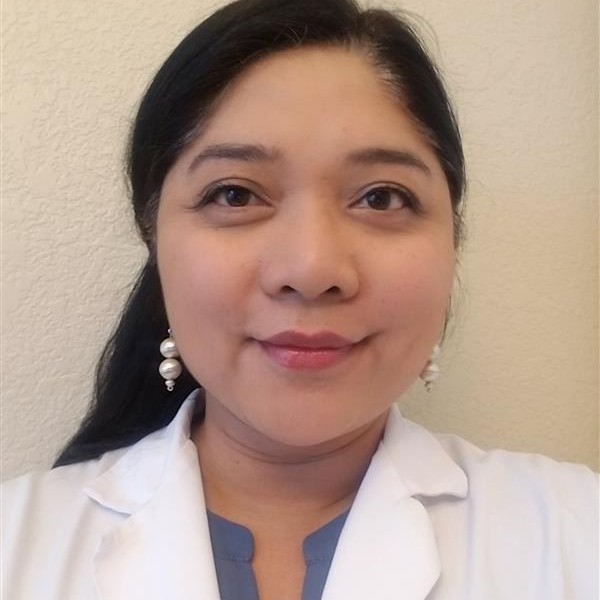
Maria Nagel, MD
Dr. Maria Nagel is a Research Professor of Neurology and the Cockerill‑Wittmus Endowed Chair in Neurology at the University of Colorado School of Medicine. She also holds professorships in both the Department of Neurology and the Department of Ophthalmology. A graduate of the University of Illinois College of Medicine, Dr. Nagel completed her neurology residency and subsequent neurovirology fellowship at the University of Colorado, where she has built a distinguished career at the intersection of infectious disease and the nervous system. She is a Fellow of the American Neurological Association and has been recognized with multiple awards for excellence in research and clinical care.
Dr. Nagel’s research centers on acute and chronic viral infections of the nervous system, with a particular focus on varicella‑zoster virus (VZV) and herpes simplex virus (HSV). Her work spans stroke, giant cell arteritis, headache, dermatomal pain syndromes, and the mechanisms by which neurotropic viruses cause neurological and multisystem disease. She has authored more than 130 publications and contributes to leading scientific journals and textbooks, including recent work on antiviral responses, post‑herpetic neuralgia, and the relationship between viral infection and dementia risk.
In her clinical practice, Dr. Nagel is known for her collaborative, patient‑centered approach, working closely with individuals and their primary care teams to develop comprehensive care plans. She is an active member of several professional societies, including the International Society for NeuroVirology and the American Heart Association, and is a frequent invited speaker at academic institutions and scientific conferences. Her commitment to advancing understanding of viral neuropathogenesis continues to shape both clinical practice and the broader field of neurovirology.
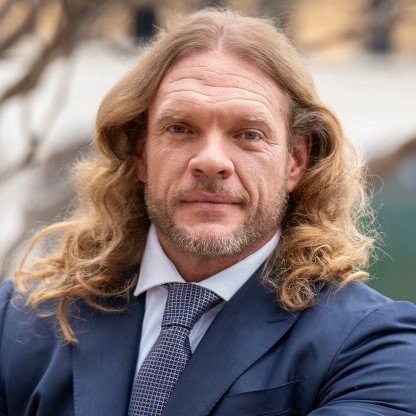
Sid O'Bryant, PhD
Dr. Sid O’Bryant is the Executive Director of the Institute for Translational Research and Dr. Joe and Peggy Schooler Endowed Chair in Pharmacology and Neuroscience.
He is the principal investigator of the Health & Aging Brain Study – Health Disparities (HABS-HD), which is the most comprehensive study of Alzheimer’s disease among the three largest racial/ethnic groups in the U.S. ever conducted – African Americans, Hispanics, non-Hispanic whites. The goal of the HABS-HD program is to understand the life course factors, including biological, sociocultural, environmental, and behavioral, that impact risk for Alzheimer’s disease in late life. This work will ultimately lead to population-specific precision medicine approaches to treating and preventing Alzheimer’s disease (i.e., “treating your Alzheimer’s disease”).
In addition to being a global leader in health disparities in cognitive aging, Dr. O’Bryant is a global expert in the use of blood-based biomarkers for the generation of a precision medicine approach to novel diagnostic and therapeutic strategies for Alzheimer’s disease, Parkinson’s disease, Dementia with Lewy Bodies and Alzheimer’s disease among adults with Down Syndrome.
CHAIR BIOS
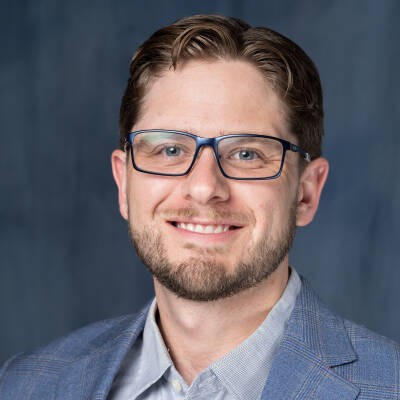
Breton Asken, PhD
Breton Asken, PhD, ATC, is an Assistant Professor in the Department of Clinical and Health Psychology at the University of Florida. He is a Fixel Scholar in the Normal Fixel Institute for Neurological Diseases and a member of the Clinical Core of the 1Florida Alzheimer’s Disease Research Center. Additional affiliations include the UF McKnight Brain Institute, Center for Cognitive Aging and Memory, and the UF Brain Injury, Rehabilitation, and Neuroresilience (BRAIN) Center.
Dr. Asken completed bachelor’s degrees at the University of North Carolina at Chapel Hill (Exercise & Sport Science – Athletic Training, Psychology) and was a research assistant in the Matthew Gfeller Sport-Related Traumatic Brain Injury Research Center. He then earned his doctorate in Clinical Psychology (Neuropsychology track) from the University of Florida and completed his clinical internship in neuropsychology at Brown University. Dr. Asken completed a postdoctoral fellowship in neuropsychology at the UCSF Memory and Aging Center.
Dr. Asken’s research integrates multimodal biomarkers with cognitive and behavioral evaluations to study the complex associations between neuropathological changes and clinical phenotypes among patients with Alzheimer’s disease and related dementias. His sub-focus is studying the role that lifetime head trauma plays in later-life neurodegenerative disease, specifically looking at hippocampal and limbic network vulnerability to developing neuropathological changes with aging.
Dr. Asken is an active clinical neuropsychologist in the UF Memory Disorders Clinic and specializes in evaluation of patients with suspected neurodegenerative disease.
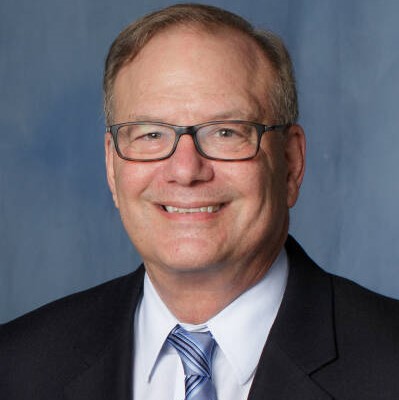
Steven DeKosky, MD
Dr. Steven DeKosky, a prominent Alzheimer’s disease and traumatic brain injury researcher and UF alumnus, came to UF in July 2015 as the institute’s deputy director and professor of neurology in the College of Medicine.
Prior to joining the McKnight Brain Institute, Dr. DeKosky was vice president and dean of the University of Virginia School of Medicine from 2008 to 2013, and was then appointed emeritus professor of neurology . Prior to becoming dean at UVA, he spent 18 years at the University of Pittsburgh in roles that included chair of the department of neurology and director of the Alzheimer’s Disease Research Center.
As a researcher, Dr. DeKosky focused on understanding the neurochemistry, neuroimaging, treatment and prevention of Alzheimer’s disease in both his laboratory and in clinical research. He also co-authored the first report of the dementia associated with traumatic brain injuries among professional football players and published extensively in basic research of TBI..
At UF, Dr. DeKosky did graduate work in psychology and neuroscience, received a medical degree in 1974 and following an internship at The Johns Hopkins Hospital, returned to UF to complete a residency in neurology, followed by a fellowship in neurochemistry at the University of Virginia Center for Neurosciences.
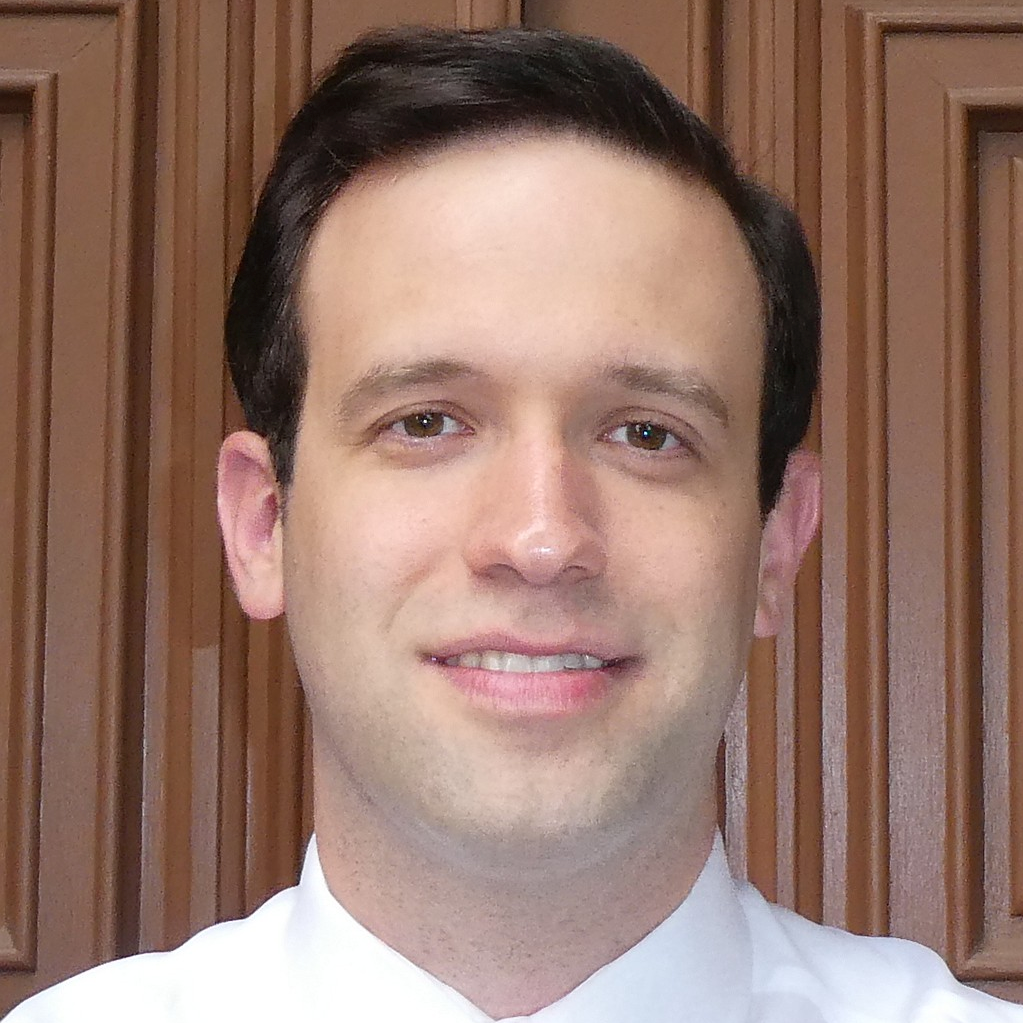
Leonard Sokol, MD
Dr. Leonard L. Sokol is a dementia subspecialist and board-certified neurologist. He sees patients at the Wien Center for Alzheimer’s Disease and Memory Disorders in Miami Beach with not just memory loss but also emergent difficulties with executive function, attention, language, visuospatial skills, or personality. He has diagnosed thousands of patients facing Alzheimer’s disease, Lewy body dementia, vascular dementia, and frontotemporal dementia from advanced presentations to those with early-onset symptoms or atypical forms of these diseases.
Dr. Sokol’s research seeks to understandhow serious brain conditions that get worse over time affect the lives of patients and families, and how to measure what really matters to them. He is also interested in developing better models that will someday help predict who is more likely to get worse and detect very early signs of disease or response to treatment.
Dr. Sokol was an Assistant Professor at Scripps and named a Scripps Clinic Physician Scientist Scholar in La Jolla, California. He now brings his experience and expertise to provide patient-centered-evidence-based cognitive care to improve the lives of patients and families in South Florida and beyond.