
24th Annual
MCI Symposium
Friday, April 24, 2026 (9:00 am – 4:45 pm US Eastern Time)
Schedule
MCI Symposium Program
Friday, April 24, 2026
All times in US Eastern Time.
Mount Sinai Medical Center/Wien Center for Alzheimer's Disease and Memory Disorders
Mayo Clinic, Rochester
Focus: How clinicians combine blood biomarkers, imaging, and cognitive tools to diagnose and stage real patients.
Washington University School of Medicine
University of Gothenburg
Washington University School of Medicine
Mayo Clinic
Mayo Clinic
Focus: Practical Management of Lecanemab, Donanemab, and Future Agents; ARIA; Real-World Data; Maintenance Therapy
University of Washington
Brown University
Yale School of Medicine
RadNet
Stanford University
Focus: Mechanisms → biomarkers → clinical implications → future therapeutic pathwaysi
University of Oxford
UniCamillus University, Rome
Stanford University
University of Toronto
Stanford University
Mount Sinai Medical Center/Wien Center for Alzheimer's Disease and Memory Disorder

24th Annual MCI Symposium: Summary
The 24th Annual MCI Symposium brought together clinical neurologists, neuroimaging experts, biomarker scientists, geriatricians, epidemiologists, and translational researchers to examine how Alzheimer’s disease and related disorders are being diagnosed, staged, treated, monitored, and re-imagined in an era of rapidly changing biomarker and therapeutic tools.
Across the day, one theme returned again and again: the field has moved beyond the question of whether biomarkers, imaging, and disease-modifying therapies matter. They do. The harder question is how to use them responsibly, accurately, equitably, and in the real clinical world, where patients are older, more medically complex, less “trial-perfect,” and often arrive with mixed pathology, comorbid disease, uncertainty, and understandable anxiety.
The Symposium was organized into three sessions.
- Session I focused on the integration of blood biomarkers, imaging, and cognitive detection in real-world diagnosis.
- Session II examined factors influencing the performance of anti-amyloid therapies over the short and longer term, including safety, ARIA monitoring, real-world implementation, and maintenance treatment decisions.
- Session III turned to the role of infection, inflammation, vaccination, microglia, systemic immune signals, and brain-body mechanisms in neurodegenerative disease.
Together, the presentations underscored a field in motion: one in which diagnostic certainty is improving, therapeutic options are expanding, and clinical judgment remains absolutely indispensable.
SYMPOSIUM OPENING REMARKS
Dr. Ranjan Duara opened the Symposium by framing the day’s discussions around the evolving clinical landscape of mild cognitive impairment, Alzheimer’s disease, and related disorders. The program reflected the growing need to connect research advances with clinical decision-making: how to identify the right patients, interpret increasingly sophisticated biomarker results, communicate risk and uncertainty, and manage new therapies safely in everyday practice.
SESSION I SUMMARY AND RECORDINGS
SESSION I INTRODUCTION
Session I: integrating biomarkers, imaging, and cognitive detection in real-world diagnosis of Alzheimer’s disease and related disorders
Chair: Ronald Petersen, MD, PhD
Mayo Clinic, Rochester
Session I examined how clinicians can combine cognitive assessment, blood-based biomarkers, imaging, and patient-level risk factors to diagnose and stage Alzheimer’s disease and related disorders in real-world settings. The session emphasized that the availability of biomarkers does not diminish the importance of careful clinical evaluation. Rather, biomarkers are most powerful when interpreted in the context of symptoms, objective cognitive findings, age, comorbidities, and the patient’s actual clinical trajectory.
Dr. Ronald Petersen introduced the session by placing the current biomarker era within the larger evolution of Alzheimer’s disease diagnosis and treatment. He highlighted the increasing importance of prediction models that may help clinicians estimate risk of progression to MCI or dementia, particularly as disease-modifying therapies move the field toward earlier stages of disease. Drawing on work from the Mayo Clinic Study of Aging, he discussed how age, APOE4 status, amyloid positivity, and other variables can be integrated into multi-state models that estimate the likelihood of developing MCI or dementia. The broader implication was clear: as the field approaches treatment decisions in earlier and even preclinical stages, prediction tools will need to become more refined, more individualized, and eventually more closely tied to blood-based biomarker data.
SESSION I PRESENTATION SUMMARIES
Blood-Based Biomarkers in Primary Care and Specialty Care: How to Use p-tau217, Aβ42/40, GFAP, and NfL in 2026
Suzanne Schindler, MD, PhD
Washington University School of Medicine
Dr. Suzanne Schindler reviewed the rapidly expanding role of blood-based biomarkers in Alzheimer’s disease diagnosis, with particular attention to how these tools can be used in both primary care and specialty care settings. She emphasized that blood tests are attractive because they are more accessible, less invasive, less burdensome, and less expensive than cerebrospinal fluid testing or PET imaging. Their clinical promise is especially significant in a field where misdiagnosis remains common and where access to specialty evaluation can be limited.
Her presentation centered on the performance of plasma p-tau217, which she described as the leading blood-based analyte for identifying Alzheimer’s disease pathology. Compared with Aβ42/40, p-tau181, GFAP, and NfL, plasma p-tau217 performs especially well in classifying amyloid and tau pathology. Dr. Schindler cautioned, however, against the unstructured use of multiple biomarkers without a clear interpretive algorithm. Adding more analytes may seem attractive, but without a validated framework, more numbers can produce more confusion rather than more clarity.
A major practical message was that blood-based biomarkers should not be interpreted in isolation. They are most appropriate in patients with objective cognitive impairment and should be used alongside clinical assessment, cognitive testing, and pre-test probability. In that context, continuous biomarker values may allow clinicians to estimate the likelihood of amyloid positivity with increasing confidence. Blood biomarkers may therefore become a critical front door into diagnosis and treatment pathways, but not a substitute for clinical reasoning.
Factors beyond AD Pathophysiology that Affect the Concentration & Interpretation of Diagnostic AD Blood Biomarkers
Joel Simren, MD, PhD
University of Gothenburg
Dr. Joel Simren addressed a crucial question for the clinical adoption of blood biomarkers: what else, beyond Alzheimer’s disease pathophysiology, influences biomarker concentrations?
His presentation focused particularly on p-tau217 and neurofilament light. While p-tau217 has emerged as a highly performing biomarker for Alzheimer’s disease pathology, and NfL is a sensitive marker of neuronal injury, both require careful interpretation. NfL, for example, is not specific to Alzheimer’s disease. It can rise in a variety of conditions involving neuronal damage. Similarly, p-tau217 results may be influenced by factors that complicate interpretation in routine practice.
Dr. Simren reviewed several variables that may affect biomarker concentrations, including chronic kidney disease, age, APOE genotype, ethnic background, and other medical conditions. At the same time, he emphasized that Alzheimer’s disease pathophysiology remains the strongest driver of many of these biomarker signals. The challenge is not that the biomarkers are unusable, but that clinicians and laboratories must understand their biological and analytical context.
He also described possible future directions for improving specificity, including efforts to capture brain-derived forms of p-tau217 or normalize for variability in tau secretion and clearance. His presentation served as an important reminder that the success of blood biomarkers will depend not only on assay performance but also on smart deployment, transparent limitations, and context-sensitive interpretation.
Current and Future Imaging and Biomarker Approaches for Diagnosing Preclinical, Early, and Symptomatic Alzheimer’s Disease
Tammie Benzinger, MD, PhD
Washington University School of Medicine
Dr. Tammie Benzinger examined the evolving role of imaging in the diagnosis and management of Alzheimer’s disease, particularly as new fluid biomarkers and anti-amyloid therapies enter clinical pathways. Her presentation highlighted the need for well-designed diagnostic algorithms that integrate blood testing, MRI, amyloid PET, tau PET, and clinical evaluation rather than allowing these tools to be ordered and interpreted in disconnected fragments.
Dr. Benzinger reviewed current imaging and biomarker approaches across preclinical, early, and symptomatic Alzheimer’s disease. She emphasized the continued importance of MRI, not only for differential diagnosis but also for evaluating treatment eligibility and safety. MRI remains central for identifying findings that may affect diagnosis, therapy selection, and ARIA risk. Amyloid PET continues to provide high diagnostic confidence, particularly when treatment decisions require certainty. Tau PET may be useful in selected settings, but it also requires careful interpretation and appropriate clinical context.
A practical warning ran through the presentation: new tools do not automatically create better care. In fact, when tests are ordered without a clear algorithm, they may generate confusion. Dr. Benzinger described the risks of relying too heavily on blood tests or advanced imaging without adequate MRI assessment and clinical framing. The future, she suggested, lies not in replacing one modality with another but in building clear, practice-specific pathways that match patient needs, local resources, and therapeutic implications.
Communicating Blood Biomarker Results and Options for Management to the Patient
David Knopman, MD
Mayo Clinic
Dr. David Knopman focused on one of the most consequential parts of biomarker adoption: communicating results to patients and families.
His presentation emphasized that plasma p-tau217 testing depends on an accurate clinical cognitive diagnosis. A blood biomarker result cannot, by itself, determine whether a patient is cognitively normal, has mild cognitive impairment, or has mild dementia. That distinction still requires clinical evaluation, face-to-face assessment, and, when needed, neuropsychological testing.
Dr. Knopman described p-tau217 as a powerful screening and risk-stratification tool, but not a standalone verdict. Elevated p-tau217 can support a diagnosis of Alzheimer’s disease and may indicate candidacy for anti-amyloid therapy, but false positives and false negatives remain possible. Interpretation may be especially complex in younger patients, older patients with mixed comorbidities, and individuals whose symptoms may arise from multiple contributing pathologies.
He also emphasized the role of amyloid PET imaging in providing greater certainty for therapeutic decision-making. For patients and families, the communication challenge is delicate: clinicians must explain what the result means, what it does not mean, how it affects management options, and what further testing may be needed. The presentation reinforced that the ethics of biomarker disclosure are tied directly to clarity, context, and shared decision-making.
SESSION I DISCUSSION
The Session I discussion brought the speakers together around several practical dilemmas: how much confidence is enough to act, how blood biomarkers should be integrated with imaging, and how clinicians should respond to rapidly evolving evidence and public interpretation of that evidence.
The panel discussed the recent Cochrane report on anti-amyloid monoclonal antibodies, expressing concern that the methodology may have blended agents with different mechanisms and levels of efficacy in ways that could obscure clinically meaningful findings. The discussion also touched on the need to communicate treatment benefit and ARIA risk without overstating either. Participants returned repeatedly to the importance of clinical context, especially as biomarkers move closer to primary care and as patients arrive with information, expectations, and concerns shaped by public-facing reports.
SESSION II SUMMARY AND RECORDINGS
SESSION II INTRODUCTION
Session II: Factors Influencing Performance of Anti-Amyloid Agents In the Short and Long Term and The Role pf Maintenance Treatment
Chair: Vijay Ramanan, MD, PhD
Mayo Clinic
Session II shifted from diagnosis to treatment implementation. Dr. Vijay Ramanan introduced the session by framing anti-amyloid therapies as a new but demanding clinical reality. The session focused on lecanemab, donanemab, and future agents; ARIA risk and management; real-world data; treatment monitoring; and the difficult question of how trial evidence should be translated into long-term individual patient decisions.
Dr. Ramanan emphasized that the practical implementation of anti-amyloid therapy requires much more than prescribing a drug. It demands systems for identifying appropriate patients, confirming amyloid pathology, counseling patients and families, coordinating infusions, monitoring safety, responding to ARIA, and making decisions about continuing or modifying treatment over time.
SESSION II PRESENTATION SUMMARIES
Real-World Effectiveness and Safety of Anti-Amyloid Therapies
Michael H. Rosenbloom, MD
University of Washington
Dr. Michael H. Rosenbloom presented a real-world view of anti-amyloid therapies, focusing on initiation barriers, safety outcomes, and early effectiveness data.
He emphasized that the available real-world evidence remains limited because these therapies have only recently entered clinical use. Still, early data are emerging from health systems, registries, and industry-sponsored programs. These data are beginning to show how anti-amyloid therapies perform outside the tightly controlled environment of pivotal trials.
Dr. Rosenbloom discussed the importance of early treatment, noting that patients treated earlier in the disease course appear to have better outcomes. He also reviewed obstacles to treatment initiation, including delayed referrals from primary care, incomplete workups, amyloid-negative PET scans, baseline MRI findings, insurance barriers, and the small proportion of patients in specialty clinics who ultimately meet eligibility criteria.
On safety, he reviewed real-world data on ARIA and infusion-related reactions. Early reports suggest that ARIA rates in some real-world settings may be similar to or lower than those observed in pivotal trials, though data remain incomplete and populations differ. He also highlighted unanswered questions about higher-risk groups, including APOE4 homozygotes, patients with extensive cerebrovascular disease, patients on anticoagulation, underrepresented racial and ethnic groups, younger patients, and women.
His central message was cautious but constructive: real-world data are beginning to support careful use of anti-amyloid therapies, but stronger evidence is needed to understand safety and effectiveness across broader and more representative patient populations.
Update on Safe Use of Amyloid-lowering Antibodies
Stephen Salloway, MD, MS
Brown University
Dr. Stephen Salloway addressed the safe clinical use of amyloid-lowering antibodies, with a strong focus on patient selection, ARIA detection, emergency management, and risk-benefit decision-making.
He emphasized that these treatments represent an important advance, but safe use requires rigorous systems of care. Appropriate patient selection begins with confirmation of amyloid pathology, careful baseline MRI review, APOE testing, and attention to risk factors such as cerebral amyloid angiopathy, anticoagulation, and APOE4 genotype. APOE4 homozygotes may face higher ARIA risk, but Dr. Salloway stressed that risk should be evaluated carefully rather than treated as a simplistic automatic exclusion in all circumstances.
Dr. Salloway reviewed ARIA-related serious adverse outcomes and fatalities, underscoring that many poor outcomes may be mitigated through appropriate monitoring, timely MRI, communication across care teams, and awareness in emergency settings. A particularly important warning concerned the need to distinguish ARIA from ischemic stroke and avoid inappropriate thrombolytic treatment when ARIA is present or suspected.
He also discussed management strategies, including additional safety MRI scans, AI-assisted detection tools, and high-dose steroids in severe cases. His presentation made clear that anti-amyloid antibodies are not “prescribe and forget” treatments. They require a coordinated, educated, and responsive clinical infrastructure.
Long-term Treatment with Anti-Amyloid Therapy: Applying Trial Data to Real-world Decisions about Effectiveness
Christopher van Dyck, MD
Yale School of Medicine
Dr. Christopher van Dyck examined how trial data can, and cannot, guide long-term decisions about anti-amyloid therapy in individual patients.
He reviewed clinical data for lecanemab and donanemab, including 18-month trial outcomes and long-term extension data. These studies suggest continued benefit beyond the initial blinded trial period when compared with matched observational groups, including ADNI-based comparison groups. However, Dr. van Dyck emphasized a key clinical problem: group-level trial benefit does not translate easily into individual-level monitoring.
Clinical measures such as CDR-SB are too variable to determine, for a single patient, whether treatment is “working” in a reliable way. Similarly, plasma biomarkers are not yet established as tools for monitoring individual treatment effectiveness. Amyloid PET may have a role in monitoring response, particularly for donanemab, where amyloid clearance has been built into treatment decision frameworks. Timing remains important, with discussion suggesting that scans around 12 to 18 months may be useful depending on the therapeutic context.
Dr. van Dyck’s presentation highlighted the central tension of long-term treatment: clinicians must make real decisions with imperfect tools. Continuing therapy, stopping therapy, moving to maintenance, or monitoring response all require a blend of evidence, imaging, clinical judgment, patient goals, and evolving standards.
AI-Assisted Detection of Amyloid-Related Imaging Abnormalities (ARIA): Promise and Pitfalls
Suzie Bash, MD
RadNet
Dr. Suzie Bash presented on AI-assisted detection of amyloid-related imaging abnormalities, placing ARIA detection within the broader transformation of dementia imaging.
Her presentation reviewed several AI-enabled tools, including quantitative MRI, quantitative PET, deep learning reconstruction, AI-based segmentation, and image analysis workflows that may support eligibility screening, diagnosis, staging, and surveillance. She emphasized that early diagnosis matters because many patients are diagnosed too late to benefit from emerging treatment windows.
Dr. Bash illustrated how AI tools may improve ARIA detection and severity assessment, especially for subtle edema, sulcal effusions, and microhemorrhages. These tools may be particularly valuable in settings where radiologists have varying levels of experience with ARIA. However, she also stressed the need for standardization, training, and consistency in imaging protocols. AI is not a substitute for neuroradiology expertise; it is a tool that requires expert implementation.
She also discussed the operational implications of rising demand for dementia-related imaging as anti-amyloid therapies expand. Increased volumes of amyloid PET, MRI brain imaging, and quantitative MRI create pressure on imaging networks, radiology workflows, and training systems. The presentation captured both the promise and the pitfalls: AI may help scale expertise, but only if the clinical system around it is disciplined, standardized, and continuously educated.
SESSION II DISCUSSION
The Session II discussion focused on the realities of ARIA detection, imaging protocols, treatment access, and clinical monitoring. Panelists discussed the importance of consistency between baseline and follow-up MRI protocols, including the use of GRE or SWI sequences across centers. They also considered the challenge of balancing safety with access, particularly for patients who travel long distances for therapy and monitoring.
The group discussed lower observed ARIA rates in some real-world settings compared with clinical trials, while cautioning that these observations depend on patient selection, monitoring intensity, reporting practices, and the maturity of the data. A recurring message was that the safe use of anti-amyloid therapy depends on both clinical sophistication and operational discipline.
SESSION III SUMMARY AND RECORDINGS
SESSION III INTRODUCTION
Session III: The Role of Infection and Inflammation in Neurodegenerative Diseases
Chair: Pascal Geldsetzer, MD, PhD, MPH
Stanford University
Session III broadened the frame beyond amyloid, tau, and imaging to consider how infection, inflammation, immune signaling, vaccination, microbiome changes, systemic disease, and brain-body communication may shape cognitive decline and neurodegenerative disease.
The session moved from viral hypotheses of Alzheimer’s disease to epidemiological evidence on vaccination and dementia risk, then to microglial mechanisms at the brain-body interface, systemic infection and inflammation, and shingles vaccination across the dementia disease course. The result was a wider biological conversation: Alzheimer’s disease and related disorders may not be fully understood by looking only inside the brain. The body keeps sending memos.
SESSION III PRESENTATION SUMMARIES
A Common Virus, Herpes Virus Simplex Type 1 (HSV1), Plays a Major Role in Alzheimer’s Disease
Ruth Itzhaki, PhD
University of Oxford
Dr. Ruth Itzhaki presented evidence supporting a role for herpes simplex virus type 1 in Alzheimer’s disease. Her work has long centered on the hypothesis that HSV1 can reside latently in the brain and later reactivate, particularly in older adults and especially in the presence of genetic susceptibility such as APOE4.
She reviewed findings showing HSV1 DNA in brain tissue and discussed evidence linking HSV1, APOE genotype, and Alzheimer’s disease pathology. Her presentation also described experimental work suggesting that HSV1 can induce Alzheimer-like molecular changes in neuronal models and that antiviral treatment may reduce these disease-associated molecules.
A key idea was the potential cumulative effect of repeated viral reactivation. Infections, head injury, immunosuppression, and aging-related changes may contribute to reactivation events, which in turn may promote amyloid, tau, and inflammatory changes. During discussion, the limitations of antiviral intervention in established disease were noted, including the possibility that treatment may be too late once damage has already occurred or that latent viral states may not be susceptible to available therapies.
Dr. Itzhaki’s presentation emphasized the importance of continuing to investigate infectious contributions to dementia, especially in relation to host genetics and the timing of intervention.
Impact of Vaccination for Herpes Zoster, Influenza, Pneumococcal pneumonia, etc. on Risk for MCI and Dementia
Nicola Veronese, MD
UniCamillus University, Rome
Dr. Nicola Veronese reviewed research on vaccination and the risk of cognitive impairment and dementia in older adults, with particular attention to influenza and shingles vaccination.
He presented evidence from animal studies, epidemiological research, and observational analyses. While animal models have suggested potential links between influenza infection and dementia-related changes, human epidemiological evidence has not consistently shown a clear association between influenza infection itself and dementia risk. However, influenza vaccination has been associated in several studies with lower dementia risk, with some evidence suggesting a dose-response relationship and possible stronger benefit in older adults or individuals with chronic conditions.
Dr. Veronese also reviewed evidence related to shingles vaccination and dementia risk, including studies suggesting lower dementia risk among vaccinated individuals. His presentation raised the possibility that vaccination may influence dementia risk through mechanisms involving infection prevention, immune modulation, reduction of systemic inflammation, or avoidance of downstream neurological consequences.
The presentation did not frame vaccines as a standalone dementia-prevention strategy. Rather, it suggested that vaccination status may deserve greater attention in future updates to dementia risk models and prevention frameworks.
Specialized Microglia at the Brain-body Interface
Tony Wyss-Coray, PhD
Stanford University
Dr. Tony Wyss-Coray presented research on the brain-body interface, focusing on how circulatory factors influence brain function, aging, and neurodegeneration.
He reviewed work showing that young circulation can affect aged tissues, including brain tissue, with effects on stem cell activity, neuronal maturation, synaptic plasticity, and inflammation. His laboratory’s work has helped define the idea that soluble factors in blood and cerebrospinal fluid can shape brain aging and function.
A major focus of the presentation was specialized microglia that take up plasma-derived proteins in specific brain regions. These “plasma-positive microglia” appear particularly enriched in regions such as the hypothalamus, thalamus, and hippocampus. They demonstrate increased phagocytic and metabolic activity and may represent a distinct cell population involved in sensing or responding to systemic signals.
Dr. Wyss-Coray also discussed aging-related changes in these microglial populations and differences across brain regions, including observations that some areas vulnerable to Alzheimer’s disease show declines while regions more resistant to Alzheimer’s pathology may show different patterns. The presentation expanded the session’s theme by showing how systemic biology, immune cells, and regional brain vulnerability may intersect.
How Systemic Infections and Inflammation Accelerate Cognitive Decline
Howard Chertkow, MD
University of Toronto
Dr. Howard Chertkow examined how systemic infections and inflammation may accelerate cognitive decline and contribute to Alzheimer’s disease and related disorders.
His presentation reviewed pathways through which infections outside the brain may affect brain health, including systemic inflammatory signaling, blood-brain barrier vulnerability with aging, gut microbiome dysbiosis, and peripheral immune activation. He discussed the presence of Gram-negative bacteria in Alzheimer’s disease brains and focused in particular on Porphyromonas gingivalis, a bacterium associated with periodontitis that has been investigated for possible links to amyloid beta production and tau hyperphosphorylation.
Dr. Chertkow also presented findings from the COMPASS-ND cohort, examining peripheral inflammation and cognitive decline. In that work, inflammatory markers such as IL-6 were associated with cognitive impairment, though the relationship may not operate solely through conventional neuroinflammatory pathways or abnormal protein aggregation. Instead, peripheral inflammation may affect cognition through broader mechanisms of cellular dysfunction, vascular effects, immune dysregulation, or systemic stress.
His presentation reinforced the idea that cognitive decline may be shaped by processes far beyond the brain parenchyma alone. Oral health, systemic inflammation, microbiome changes, infection history, and immune status may all deserve more serious consideration in dementia research and prevention.
The Effect of Shingles Vaccination at Different Stages of the Dementia Disease Course
Pascal Geldsetzer, MD, PhD, MPH
Stanford University
Dr. Pascal Geldsetzer closed Session III by examining whether shingles vaccination may reduce dementia risk, using evidence from quasi-randomized vaccine rollouts. He emphasized the central limitation of ordinary observational vaccine studies: vaccinated and unvaccinated individuals often differ in health behaviors, access to care, preventive motivation, and other factors that are difficult to measure fully.
His presentation focused on natural experiments created by date-of-birth eligibility cutoffs for shingles vaccination programs. In the United Kingdom, for example, people born just before a cutoff remained ineligible, while those born just after it became eligible. This allowed comparison of individuals born only days apart but with sharply different probabilities of receiving the vaccine. Using this design, his group estimated that shingles vaccination reduced new dementia diagnoses by approximately 20% over seven years.
Dr. Geldsetzer reviewed similar findings from other settings, including Australia, Ontario, Canada, and New Zealand, where different eligibility rules created comparable opportunities to test the relationship between vaccination and dementia outcomes. He also noted that effects may extend beyond incident dementia, with evidence suggesting reductions in new diagnoses of mild cognitive impairment and, among individuals already diagnosed with dementia, lower probability of death from dementia.
The mechanisms remain uncertain. Potential explanations include reduced reactivation of varicella-zoster virus, broader immune modulation, or effects related to immune aging. Dr. Geldsetzer noted that it is not yet clear whether the newer recombinant shingles vaccine would have similar or greater effects than the live-attenuated vaccine studied in several of these rollouts. He also identified APOE4 status as an important unresolved question, since available data sources did not include genotype information.
The presentation added a strong epidemiological dimension to the session’s discussion of infection and inflammation. Rather than relying only on associations, Dr. Geldsetzer showed how vaccine policy design can create unusually strong evidence. If confirmed, the implications are substantial: shingles vaccination is already available, scalable, and generally delivered as a limited intervention, making even partial dementia prevention a population-health question of major importance.
SESSION III DISCUSSION
The Session III discussion brought together complementary but distinct lines of evidence: viral latency and reactivation, vaccination and dementia risk, systemic inflammation, microglial response to circulatory factors, microbiome-related pathways, and epidemiological approaches to causal inference.
The panel considered the challenge of translating associations into intervention strategies. Vaccination studies may suggest reduced dementia risk, but the field must distinguish correlation from causation, identify plausible mechanisms, and determine whether timing matters before, during, or after the earliest signs of cognitive decline. Similarly, infection and inflammation may contribute to neurodegeneration, but their roles may differ by pathogen, host genetics, immune status, vascular health, and stage of disease.
The discussion made clear that the infection and inflammation field is no longer a side corridor. It is becoming part of the main building, though some rooms still need better lighting.
SYMPOSIUM THEMES
SYMPOSIUM THEMES
CONCLUDING THEMES
Several major themes emerged across the Symposium.
- Blood biomarkers are transforming diagnosis, but interpretation still belongs to clinicians
Plasma p-tau217 is emerging as one of the strongest blood-based biomarkers for Alzheimer’s disease pathology, but the Symposium repeatedly emphasized that no biomarker should be interpreted in a vacuum. Objective cognitive impairment, pre-test probability, comorbidities, age, kidney function, APOE status, and the clinical story all matter. The value of blood biomarkers will depend on clear algorithms, high-quality assays, and careful communication.
- Imaging remains essential in the therapeutic era
MRI, amyloid PET, tau PET, FDG-PET, and quantitative imaging tools continue to play central roles in diagnosis, staging, safety evaluation, and treatment monitoring. As anti-amyloid therapies expand, imaging is not becoming less important. It is becoming more consequential.
- Anti-amyloid therapy requires systems, not just prescriptions
The clinical use of lecanemab, donanemab, and future agents requires appropriate patient selection, amyloid confirmation, baseline MRI evaluation, APOE-informed risk counseling, infusion infrastructure, ARIA surveillance, emergency protocols, and long-term monitoring strategies. The Symposium made clear that treatment implementation is a team sport. Solo improvisation is not the recommended protocol.
- Real-world evidence is urgently needed
Trial data established efficacy and safety signals, but real-world populations are more diverse and medically complex. Registries and observational studies will be essential for understanding safety, effectiveness, ARIA risk, treatment access, and outcomes in underrepresented populations.
- Infection, inflammation, and brain-body biology are increasingly relevant to dementia research
The final session expanded the biological frame of dementia by examining HSV1, vaccination, systemic inflammation, microbiome pathways, and microglial response to circulatory factors. These areas may influence risk, resilience, progression, and intervention opportunities. They also remind the field that neurodegeneration is not sealed inside the skull. The rest of the body keeps knocking.
- Communication is now part of the science
Whether discussing blood biomarker results, ARIA risk, treatment eligibility, vaccination evidence, or uncertain mechanisms, the Symposium underscored the importance of communicating with patients and families in ways that are accurate, measured, and understandable. The new era of Alzheimer’s disease care will require not only better tests and treatments, but better conversations.
SYMPOSIUM CLOSING NOTE
CLOSING NOTE
The 24th Annual MCI Symposium captured a field at a critical point of transition. Alzheimer’s disease diagnosis is becoming more biomarker-driven, treatment is becoming more disease-modifying, imaging is becoming more operationally central, and the biology of neurodegeneration is expanding to include systemic immune and inflammatory pathways.
At the same time, the Symposium repeatedly returned to a sober truth: better tools do not remove complexity. They reveal it with higher resolution.
The task now is to build systems that can use these tools wisely: clinically, ethically, equitably, and with enough humility to recognize what is known, what is emerging, and what still needs to be proven.
SYMPOSIUM CONVENER
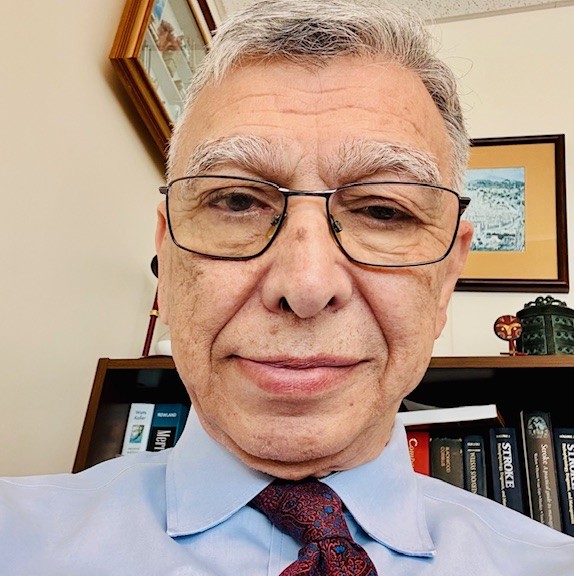
Ranjan Duara, MD, MRCP, FAAN
Dr. Ranjan Duara is the Medical Director of the Wien Center for Alzheimer’s Disease and Memory Disorders at Mount Sinai Medical Center and holds the Denis C. Cole Family Chair in Alzheimer’s Disease Research. In addition, Dr. Duara serves as the Associate Director and leader of the Clinical Core of the 1Florida Alzheimer’s Disease Research Center, a research collaboration between four university medical centers and Mount Sinai Medical Center in Florida. Dr. Duara is a Courtesy Professor of Neurology at the University of Florida College of Medicine, Gainesville, Florida, and the Herbert Wertheim College of Medicine, Florida International University, Miami, Florida. He serves as the Principal Investigator of the State of Florida Dementia Brain Bank Program.
Dr. Duara is a clinical neurologist with a special interest in the use of brain imaging for the diagnosis and treatment of Alzheimer’s disease and other causes of Adult Cognitive Disorders. Through his research in this area, he has helped to enhance what is known about the biology of Alzheimer’s disease.
He completed his undergraduate medical education at Christian Medical College, Vellore, South India, completed two years of neurology residency with Dr. Noshir Wadia at Grant Medical College in Bombay, India, followed by residencies in internal medicine and neurology in the United Kingdom, and in neurology at Thomas Jefferson University Hospital in Philadelphia. He then completed a four-year fellowship in neuroscience and neuroimaging of aging, with Dr Stanley Rapaport at the National Institute on Aging (National Institutes of Health, Bethesda, MD).
Dr. Duara’s research has focused primarily on early diagnosis of Alzheimer’s disease and other dementias, neuroimaging, genetic epidemiology, and the methodology for staging the transition from normal cognitive aging to dementia. He has contributed to more than 250 articles in peer-reviewed scientific journals and has been an investigator in observational studies on aging, as well as clinical trials of novel agents for the treatment of Alzheimer’s Disease. Dr. Duara is also the chair and organizer of the Mild Cognitive Impairment Symposium, which is held annually in Miami Beach.
CHAIRS AND PRESENTERS
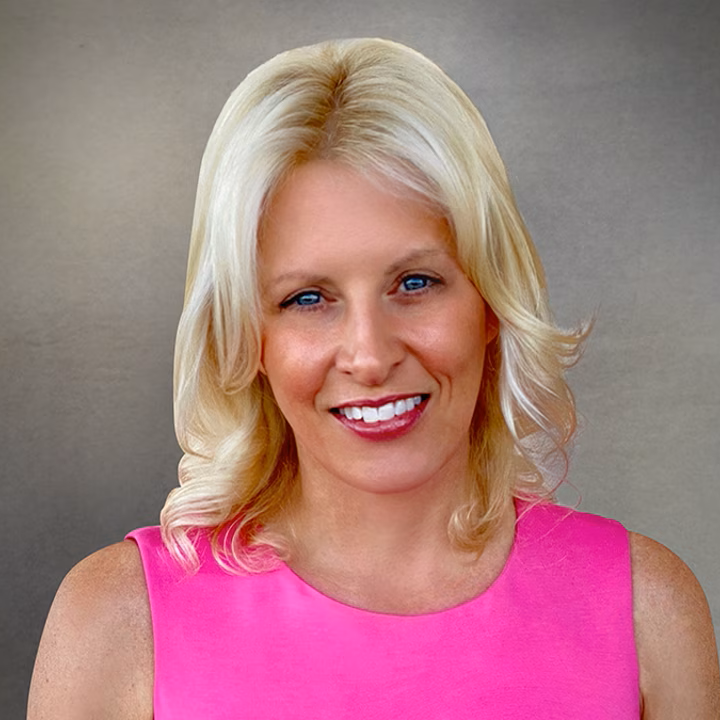

Suzie Bash, MD
Dr. Suzie Bash is a Neuroradiologist and a Medical Director at RADNET. Prior to this she was on the faculty at UCLA as an Assistant Professor of Neuroradiology, after completing a two year neuroradiology fellowship and residency also at UCLA.
Dr. Bash’s passion and interests lie in artificial intelligence (AI) applications in advanced neuroimaging which add patient-centric value and quality. Dr. Bash has a special interest in dementia imaging and Alzheimer’s disease educational initiatives. She is a recurring guest on TV, radio, and podcasts and is actively involved in AI clinical trials, peer-reviewed publications, as well as AI and
dementia related educational talks and webinars.
Dr. Bash serves on the Medical Advisory Boards of several AI companies and is Chief Medical Officer of Cortechs.ai. She also serves on the Editorial Board in the AI section for Applied Radiology and is a frequent contributing author to this journal.
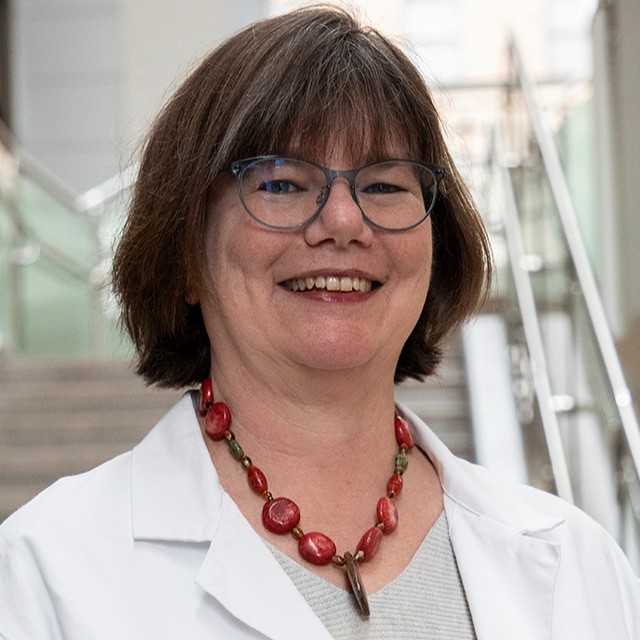
Tammie Benzinger, MD, PhD
Howard Chertkow, MD
Dr. Howard Chertkow is a practicing cognitive neurologist at Toronto’s Baycrest Health Sciences Centre, where he Is also Senior Scientist and Chair in Cognitive Neurology and Innovation at Baycrest’s Rotman Research Institute. Prior to 2018 he was a Professor at McGill University in Montreal Canada. He is now a Professor in the Dept. of Medicine (Neurology) at University of Toronto. At Baycrest he is also director of the new Bank Family Clinical Trials Unit and the Kimel Family Central for Brain Health.
Dr. Chertkow is an active researcher in the area of dementia. His major areas of research interest include early diagnosis of Alzheimer’s Disease and prediction of deterioration in individuals with Mild Cognitive Impairment, and therapy of cognitive disorders in Alzheimer Disease and Frontotemporal dementia using neuromodulation approaches such as transcranial direct current stimulation. Dr. Chertkow’s lab is now focused on developing transcranial direct current stimulation (tDCS) as ancillary therapy in elderly individuals with neurodegenerative disease. In addition to this, his lab is also exploring subgroups and mechanisms of dementia focused on the role of peripheral and neuroinflammation.
Thirty-two of his publications have over 100 citations, and three of the publications have been cited over 2000 times. He is senior author of the Montreal Cognitive Assessment (MoCA), which has become an international standard for diagnosis of MCI, has been cited over 21,000 times and is the most cited paper in the field of neurology in the world in the 21st century. Dr. Chertkow is on Stanford University’s 2020 list of “Top 2% Cited Scientists”.
In 2014 Dr. Chertkow became the Scientific Director for the Canadian Consortium on Neurodegeneration in Aging (CCNA), a national organization established by the Canadian government via CIHR and partners. CCNA, now approved for a five year Phase 3 beginning in April 2024, is the largest grant every awarded in dementia research in Canada, and brings together 320 leading Canadian dementia researchers to establish national teams and platforms to produce breakthroughs in the diagnosis and treatment of the dementing illnesses.

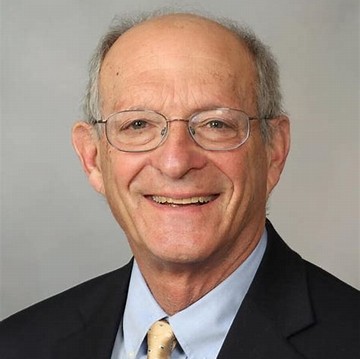
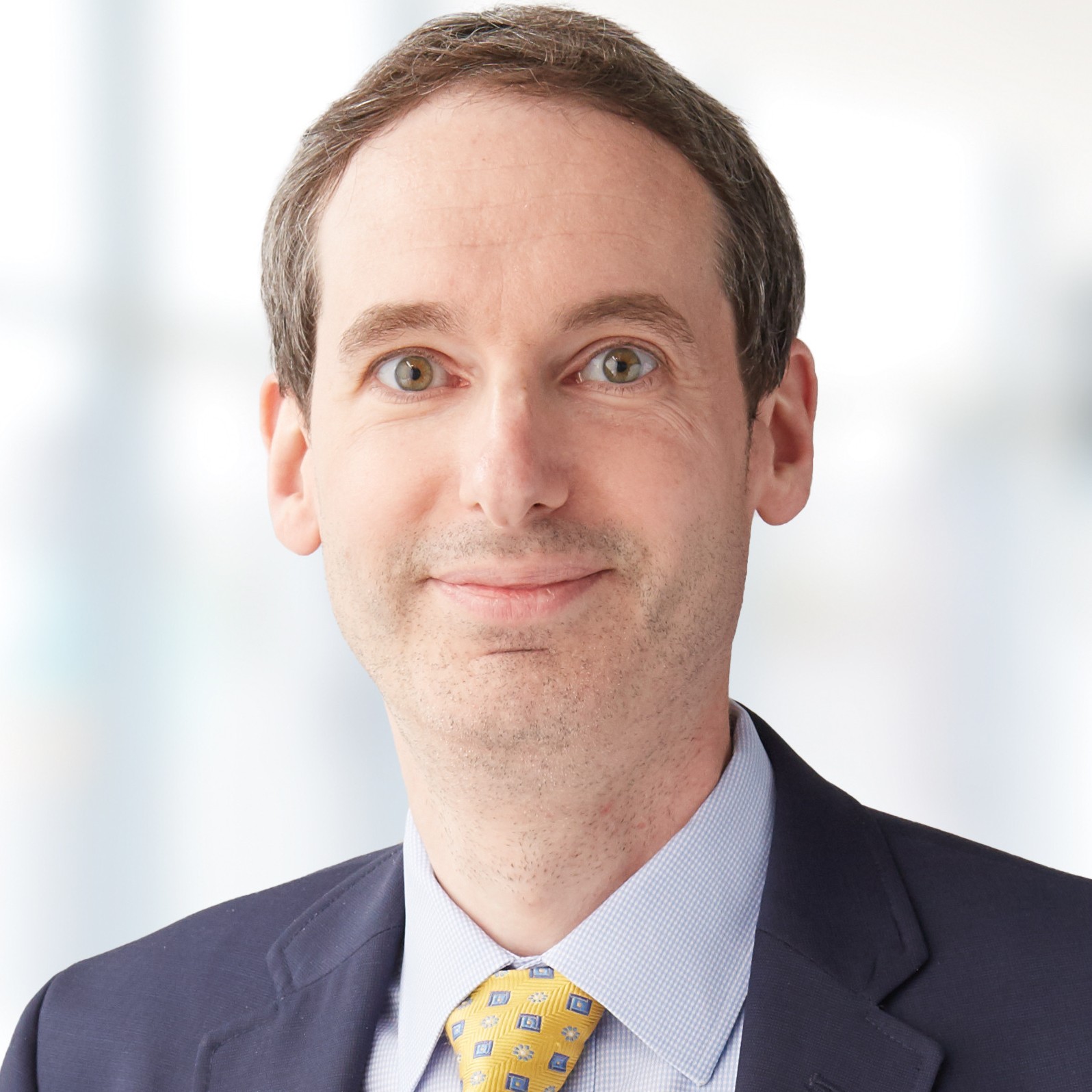
Pascal Geldsetzer, MD, MPH, PhD
Pascal Geldsetzer, MD, MPH, PhD, is an Assistant Professor of Medicine in the Division of Primary Care and Population Health and, by courtesy, in the Department of Epidemiology and Population Health. He is also affiliated with the Phil & Penny Knight Initiative for Brain Resilience at the Wu Tsai Neurosciences Institute, Department of Biomedical Data Science, Department of Health Policy, and the Stanford Center for Population Health Sciences.
His research focuses on identifying and evaluating the most effective interventions for improving health at older ages. In addition to leading several randomized trials, his methodological emphasis lies on the use of natural experiments to ascertain causal effects in large observational datasets, particularly in electronic health record data. He has won an NIH New Innovator Award (in 2022), a Chan Zuckerberg Biohub investigatorship (in 2022), and three NIH R01 grants as Principal Investigator (in 2023 and 2024).
Ruth Itzhaki, PhD
Dr. Ruth Itzhaki graduated in physics before completing MSc and PhD degrees in Biophysics, all from the University of London. She went on to conduct research in the Department of Radiotherapeutics at the University of Cambridge, where she held both a Beit Memorial Fellowship for Medical Research and the Wheldale‑Onslow Memorial Fellowship at Newnham College. She later moved to Manchester, working at the Paterson Laboratories (cancer research) and subsequently at the University of Manchester. She is currently a Visiting Professor at the University of Oxford and a Professor Emerita at the University of Manchester.
Dr. Itzhaki’s research career has encompassed a wide range of topics, beginning with pioneering studies on the accessibility of deoxyribonucleoprotein (chromatin) to enzymes and polylysine. In later years, her work has focused on Alzheimer’s disease, particularly the role of viruses in dementia. She was the first to demonstrate definitively the presence of an infectious agent in “sterile” brain tissue, and she has extensively investigated how the APOE genotype influences susceptibility to, and outcomes of, various infections.
Her epidemiological studies on viruses and Alzheimer’s disease, conducted with colleagues at the University of Manchester, led to the 2021 discovery of the protective effect of shingles vaccination against dementia. Additional work using the 3D brain cell culture model developed by Drs. Cairns and Kaplan at Tufts University showed that infections and head injury—both major risk factors for Alzheimer’s disease—reactivate latent HSV1 in the model. These findings further support her long‑standing hypothesis that repeated reactivation of herpes simplex virus type 1 in the brain represents a major risk factor for Alzheimer’s disease.
David Knopman, MD
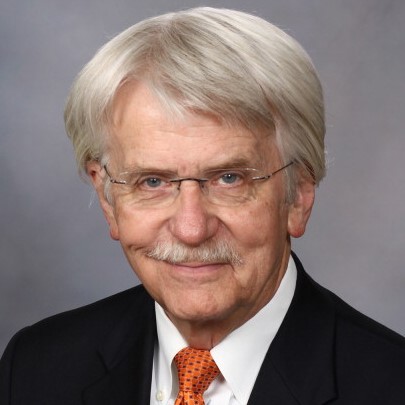
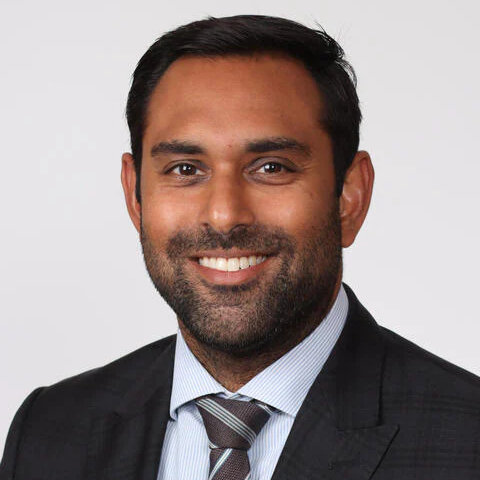
Ronald Petersen, MD, PhD
Dr. Ronald Petersen is a national leader in the field of Alzheimer’s research. He is the director of the Mayo Alzheimer’s Disease Research Center and the Mayo Clinic Study on Aging. He has authored over 550 peer-reviewed articles and edited five books on memory disorders, aging, and Alzheimer’s disease. Dr. Petersen received his Ph.D. in Experimental Psychology from the University of Minnesota and graduated from Mayo Medical School in 1980. He joined the staff of the Mayo Clinic in 1986. He became the Cora Kanow Professor of Alzheimer’s Disease Research in 2000, and was named the Mayo Clinic Distinguished Investigator in 2011.
Dr. Ronald Petersen is one of the recipients of the 2004 MetLife Award for Medical Research in Alzheimer’s Disease and the 2005 Potamkin Prize for Research in Picks, Alzheimer’s, and Related Disorders of the American Academy of Neurology. He also received the inaugural Ronald and Nancy Reagan Research Institute Award in 2004 from the Alzheimer’s Association and the inaugural Leon Thal Prize of the Lou Ruvo Brain Institute in 2007. In 2012, he received the Khachaturian award of the Alzheimer’s Association and the Henry Wisniewski Lifetime Achievement Award in 2013.
In 2011, he was appointed by the Secretary of Health and Human Services to serve as the chair of the Advisory Committee on Research, Care, and Services for the National Alzheimer’s Project Act and was appointed to the World Dementia Council in 2014 by UK Prime Minister David Cameron.
Vijay Ramanan, MD, PhD
Vijay K. Ramanan, MD, PhD, is a neurologist specializing in Cognitive and Behavioral Neurology. In clinical practice he focuses on the diagnosis and management of Alzheimer’s disease, Lewy body disease, and other neurodegenerative disorders, with particular attention to identifying potentially reversible contributors to cognitive decline. He evaluates and treats conditions such as transient epileptic amnesia, normal pressure hydrocephalus, and sleep disorders, and applies precision‑medicine approaches to novel therapies for dementia syndromes.
A central strand of Dr. Ramanan’s work is understanding why patients with similar pathologies can present so differently. He studies genetic and lifestyle factors that drive clinical heterogeneity in Alzheimer’s and related disorders, seeking to translate those insights into more personalized care. In the clinic he combines careful phenotyping with targeted diagnostic testing to tailor management plans and to identify patients who may benefit from emerging treatments.
Dr. Ramanan is also an active researcher, publishing manuscripts that integrate multimodal data—genetics, neuroimaging, fluid biomarkers, and cognitive assessment—to illuminate disease mechanisms and reveal new therapeutic targets. His research program emphasizes both cross‑sectional and longitudinal approaches, using multi‑omics and epidemiologic data to identify population‑level gene–environment interactions that influence disease course and outcomes.
Beyond patient care and research, Dr. Ramanan is committed to education, mentorship, and service. He mentors residents and fellows, contributes to training programs, and participates in leadership roles within and beyond his institution. He collaborates broadly across teams such as the Study of Aging, the Alzheimer’s Disease Research Center and affiliated studies, the Aging and Dementia Imaging Research Laboratory, and the Division of Behavioral Neurology clinical practice to advance both science and clinical care.
Michael Rosenbloom, MD
Dr. Michael H. Rosenbloom is a board-certified neurologist at the University of Washington Medicine Memory and Brain Wellness Center where he directs the clinical trials running at the UW Alzheimer’s Disease Research Center (ADRC) in Seattle, WA. He previously served for 13 years as director of the HealthPartners Center for Memory and Aging in St. Paul, MN where he led clinical research in cognitive screening for dementia, intranasal therapeutics, and non-invasive neurostimulation for neurodegenerative diseases.

Stephen Salloway, MD
Stephen Salloway, MD,is an internationally recognized leader in clinical trials for the prevention and treatment of Alzheimer’s disease. He received his MD from Stanford Medical School and completed residencies in neurology and psychiatry at Yale University.
As the founding Director of the Memory and Aging Program at Butler Hospital and Professor of Neurology and Psychiatry at the Department of Psychiatry and Human Behavior, Warren Alpert Medical School of Brown University, Dr. Salloway has conducted more than 125 clinical trials that have led to new blood tests and PET scans and new disease modifying treatments for Alzheimer’s disease. He also serves as the Principal Investigator for the NE/RI site for the successful US POINTER trial testing lifestyle interventions to promote brain health.
Dr. Salloway is an expert on ARIA and is a senior author on the Appropriate Use Recommendations for lecanemab and donanemab. His scholarly output includes more than 500 scientific papers and abstracts and three books, with landmark publications in the New England Journal of Medicine, Nature, Lancet and JAMA that have shaped the field of Alzheimer’s research.
His contributions have been widely recognized. Brown University awarded him an endowed chair in 2018, and he was inducted into the Rhode Island Hall of Fame and named Rhode Island Man of the Year in 2019. Most recently, he received the Leon Thal Prize for Excellence in Alzheimer’s Research from the Cleveland Clinic in 2023.
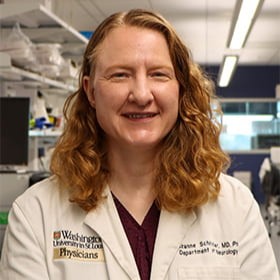
Suzanne Schindler, MD, PhD
Suzanne E. Schindler, MD, PhD, is a neurologist and neuroscientist committed to improving the diagnosis and treatment of Alzheimer’s disease.
Dr. Schindler sees patients with memory concerns and coordinates collection and analysis of real-world data for the Washington University Memory Diagnostic Center. She leads the Fluid Biomarker Core for the Knight Alzheimer’s Disease Research Center and has facilitated many collaborative research projects, including studies that have yielded some of the first clinically available blood tests for Alzheimer’s disease pathology. She has examined the generalizability of AD biomarkers across diverse groups and developed novel modeling approaches for prediction of symptom onset in Alzheimer’s disease using longitudinal biomarker data.
Dr. Schindler has served on numerous committees and working groups that have developed guidelines for the clinical use of AD blood tests and treatments.
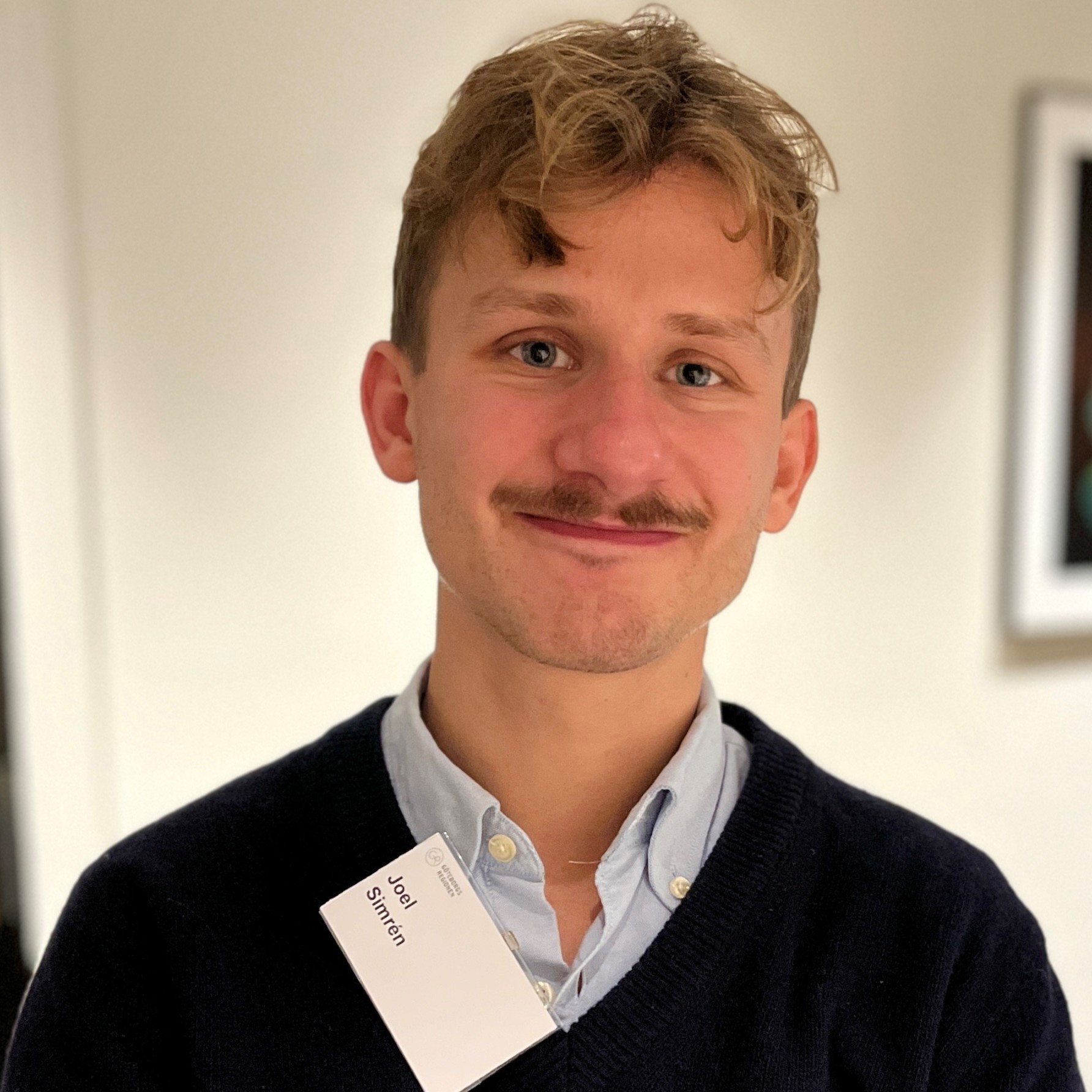
Joel Simren, MD, PhD

Chris van Dyck, MD
Dr. Christopher H. van Dyck is Professor of Psychiatry, Neurology, and Neuroscience; Director of the Alzheimer’s Disease Research Unit; Director, Yale Alzheimer’s Disease Research Center; Director, Division of Aging and Geriatric Psychiatry.
His research focuses on neuroimaging and therapeutic studies of Alzheimer’s disease (AD) and brain aging. His current imaging research utilizes positron emission tomography (PET) to study the beta-amyloid (Aβ) and tau proteins, as well as the synaptic targets SV2A and mGluR5. He and his team are examining the full spectrum of AD, including AD-dementia, the prodromal condition of amnestic Mild Cognitive Impairment (aMCI), and preclinical AD—in individuals at high familial and genetic risk.
He also has extensive experience in the conduct and leadership of therapeutic trials in AD. Since 1991 he has led or participated in approximately 90 clinical trials for AD, including the prodromal or preclinical stages. He currently serves on the Steering and Executive Committees and Co-Chairs the Protocol Evaluation Committee of the Alzheimer’s Clinical Trials Consortium (ACTC). His research accomplishments have been recognized by receipt of the 1996 Junior Investigator Award of the American Association of Geriatric Psychiatry, the 2005 Compassion and Cure Award of the Alzheimer’s Association, and the 2017 Leader in Advancing Research Award of the Alzheimer’s Association.
Nicola Veronese, MD
Nicola Veronese, MD, is a certified trained geriatrician, currently working as Associate Professor at UniCamillus – International Medical University in Rome, Italy. His research is mainly epidemiological and focused on the most common diseases affecting older people. In particular, his interest areas are osteoarticular, metabolic (including obesity and diabetes) and cardiovascular diseases, as well as nutrition. He is the author of more than 700 articles published in national and international scientific journals, and of numerous abstracts accepted by national and international congresses. From 2024 he is Editor in Chief of Aging Clinical Experimental Research.
Tony Wyss-Coray, PhD
Tony Wyss-Coray, PhD, is the D.H. Chen Distinguished Professor of Neurology and Neurological Sciences and the Director of the Phil and Penny Knight Initiative for Brain Resilience at Stanford University. His lab studies brain aging and neurodegeneration with a focus on age-related cognitive decline and Alzheimer’s disease.
The Wyss-Coray research team discovered that circulatory blood factors can modulate brain structure and function and factors from young organisms can rejuvenate old brains. Current studies focus on the molecular basis of the systemic communication with the brain by employing a combination of genetic, cell biology, and –omics approaches in mice, and humans. Wyss-Coray has presented his ideas at Global TED, the Tencent WE Summit, the World Economic Forum, and he was voted Time Magazine’s “The Health Care 50” most influential people transforming health care in 2018.
He co-founded Alkahest Inc. and several other companies targeting Alzheimer’s and neurodegeneration; he is a AAAS Fellow and has been the recipient of an NIH Director’s Pioneer Award, a Zenith Award from the Alzheimer’s Association, and a NOMIS Foundation Award.